Gridly

Overview
Sonnen is a German battery company that was acquired by Shell in 2019. It has been operating in Australia since approximately 2017 and has built a niche around the sonnenCommunity VPP concept - the idea that your battery investment earns ongoing returns through participation in grid-support services, not just self-consumption savings.
The eco 10 is the current flagship residential model: 10kWh LFP, AC-coupled, 15-year warranty, indoor installation. Understanding the eco 10 requires understanding Sonnen’s market positioning, because on the raw specification sheet, the numbers raise questions that the VPP story partially answers.
The specification questions
3.3kW continuous output from a 10kWh battery is low. For comparison:
| Battery | Capacity | Continuous output |
|---|---|---|
| Sonnen eco 10 | 10kWh | 3.3kW |
| Tesla Powerwall 3 | 13.5kWh | 11.5kW |
| BYD HVM 16.6 | 16.6kWh | 8kW |
| Enphase IQ 5P (×2) | 10kWh | 7.68kW |
| SolarEdge Home Battery 10 | 10kWh | 5kW |
3.3kW is limiting. On a hot summer evening with the reverse-cycle running at 2kW, a refrigerator at 0.4kW, and other standby loads at 0.5kW, you’re already at 2.9kW of continuous draw. Add a washing machine (1.5–2kW) and the battery is being asked to do more than it was rated for. In practice, the system will handle brief peaks above 3.3kW (there is peak capacity above the continuous rating), but sustained whole-home loads will test it.
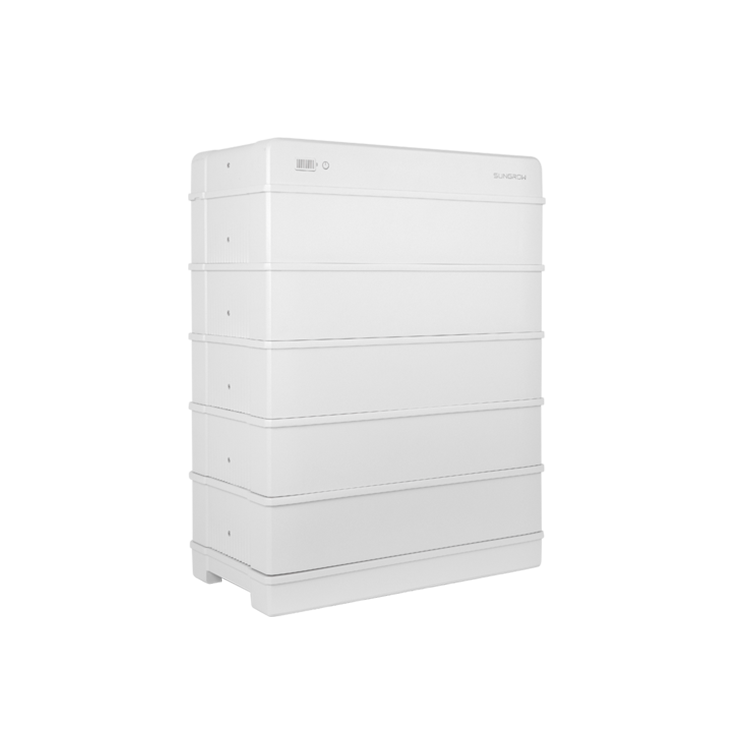
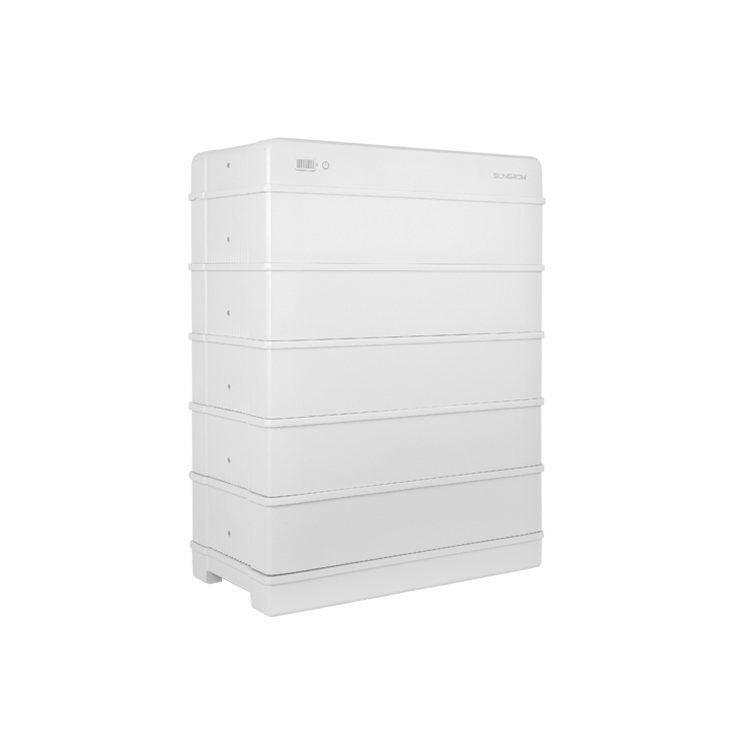
The 90% round-trip efficiency is also modest relative to what LFP chemistry can achieve. The Sungrow SBR range delivers 97%, BYD HVM delivers 96%. 90% means that for every 100kWh of solar fed into the eco 10, only 90kWh is returned as usable power. Over 15 years of daily cycling, that 6–7% efficiency gap relative to a BYD HVM translates to meaningful additional grid electricity costs.
And $13,000 for 10kWh is $1,300/kWh. The BYD HVM at $8,500 for 16.6kWh is $512/kWh. That’s a 2.5× premium per kWh.
The 15-year warranty
This is a genuine differentiator. Sonnen and Enphase are the only home battery brands offering 15-year warranties in the Australian market. Most competitors - BYD, Tesla, Fronius, Sungrow - offer 10 years.
For a battery expected to operate daily for 20+ years, the difference between a 10-year and 15-year warranty is significant from a financial risk perspective. If the battery develops an issue at year 12, a 10-year warranty means an out-of-pocket repair or replacement. A 15-year warranty means it’s covered.
Sonnen specifies a capacity retention guarantee of 70% at end of warranty - standard for the industry. The 15-year duration is the primary warranty advantage, not the capacity retention floor.
AC coupling: the retrofit advantage
Like the Enphase IQ Battery 5P, the eco 10 is AC-coupled. It connects to the AC side of the electrical system and can be retrofitted to any existing solar installation without requiring inverter replacement.
This is a real advantage for the segment of Australian homeowners who installed solar 5–8 years ago with a standard string inverter and want to add storage without replacing hardware that’s working fine. A DC-coupled battery (BYD HVM, Sungrow SBR, Fronius Reserva) would require either a compatible hybrid inverter already in place or a simultaneous inverter upgrade - adding $2,500–$4,000 to the system cost.
The eco 10 sidesteps this. It plugs into the existing AC system. The trade-off is the efficiency loss inherent in AC coupling (versus DC coupling’s fewer conversion steps) and the modest 3.3kW continuous output.
The sonnenCommunity VPP
Sonnen’s VPP proposition has been operating in Australia since approximately 2018. Participating homeowners receive benefits - typically either free or discounted electricity, or monthly credits - in exchange for allowing Sonnen to dispatch their battery during grid demand events.
The specific terms of sonnenCommunity plans vary and have changed over time. In South Australia, Sonnen has had tariff arrangements with local retailers that offered meaningful per-kWh benefits to participants. The VPP earnings don’t change the fundamental value of the hardware, but for buyers who will actively engage with energy market participation, Sonnen’s established VPP infrastructure is a genuine differentiator over competitors who offer looser VPP partnerships.
Before purchasing with VPP earnings as a primary motivation, confirm with a Sonnen-authorised installer what current plans are available in your state and grid area - these arrangements change with market conditions.
What the premium actually buys
The $13,000 eco 10 versus a $8,500 BYD HVM 16.6 (which gives 6.6kWh more capacity, nearly 2.5× the output, and better efficiency at a 10-year warranty) is a hard comparison for the Sonnen to win on hardware merit alone.
What the premium buys:
- 15-year warranty (5 additional years of coverage)
- German engineering pedigree and a brand with 7+ years Australian field history
- AC coupling flexibility - no inverter changes required
- The sonnenCommunity VPP infrastructure - Sonnen’s approach to VPP is more integrated than most
What it doesn’t buy:
- More capacity than the BYD
- More output than the BYD, Enphase 2-unit, or Powerwall 3
- Better efficiency than BYD or Sungrow
- Outdoor installation flexibility (IP21 is indoor only)
Who should buy the Sonnen eco 10
The eco 10 is for a specific buyer: someone with an existing solar system they want to keep, who values the 15-year warranty and Sonnen’s VPP story above storage economics, and who is comfortable with indoor-only installation and the output limitations. The German brand confidence is real - Sonnen has been in the Australian market longer than most and has a service track record to show for it.
For buyers optimising storage per dollar, the BYD HVM 16.6 or Sungrow SBR160 are the rational choices. For buyers entering a Fronius GEN24 ecosystem, the Reserva is the better fit. The eco 10’s case rests on the warranty duration, AC flexibility, and VPP participation - a compelling package for the right customer, priced at a level that excludes everyone else.