Gridly
Overview
Fronius makes inverters that Australian solar installers trust more than almost any other brand. The Austrian company’s GEN24 Plus range is a consistent presence on SolarQuotes’ installer recommendation lists, and its service network - with local technical support rather than offshore call centres - is a genuine differentiator in a market where after-sales support varies enormously.
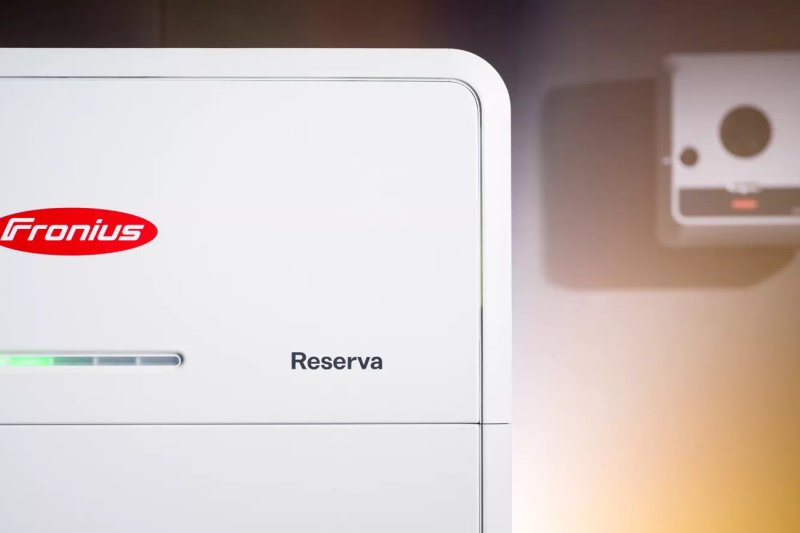
The Reserva is Fronius’s own battery, designed specifically to pair with the GEN24. It’s not a third-party battery with an adapter; it’s an integrated system component that shares firmware, monitoring, and the Solar.web platform with the inverter. That native integration is the battery’s reason for existing.
The GEN24 pairing: what native integration actually means
Most home batteries communicate with their inverter via a defined protocol - typically Modbus or a manufacturer-specific API. The system works, but there are occasional firmware update mismatches, monitoring discrepancies, and integration quirks that require installer troubleshooting.
The Fronius GEN24 + Reserva combination avoids this because both components are designed, tested, and firmware-updated by the same engineering team. The system behaves as a single product. Battery state of charge is reflected immediately in the Solar.web app alongside solar production, grid import/export, and load data. Backup mode activation is instantaneous on grid failure. The settings that determine when and how the battery charges - self-consumption priority, time-of-use shifting, backup reservation - are all configured within the standard Fronius interface rather than a separate battery app.
For the significant minority of homeowners who will interact with their system’s monitoring and configuration regularly, this cohesion is worth something. For the majority who want to set it and forget it, it means fewer failure points.
Capacity, output, and the non-scalability trade-off
15kWh of usable storage suits most 3–4 person households. It covers typical overnight consumption, provides meaningful backup duration, and pairs well with a 6.6–10kWh solar system. The 8kW continuous and 15kW peak output numbers are strong - the 15kW peak in particular allows the system to handle starting currents for large motors (pool pumps, air conditioning compressors) without tripping.
The ceiling is the limitation. 15kWh is not expandable. If your household’s energy use grows - another EV, extended working from home, a home workshop - there is no upgrade path within the Reserva platform. You add a second battery of a different type, or you replace the system.
For contrast: the BYD HVM range, running on compatible Fronius GEN24 inverters, scales to 66kWh. A homeowner who starts with 16.6kWh and decides five years later they want 33kWh can add modules without replacing the core system. The Reserva doesn’t offer that option.
The 80% capacity guarantee
This is the specification that stands out relative to the field. Industry standard battery warranties in Australia guarantee 70% capacity retention at end of warranty term - typically 10 years. Fronius’s 80% floor means the Reserva is contractually required to deliver 12kWh of its original 15kWh ten years in.
In practice, LFP batteries degrade slowly. Well-maintained installations typically retain 85–92% capacity at the 10-year mark under Australian cycling conditions. But the contractual floor matters when the battery is sold and the original installer is no longer involved - the warranty document is what determines whether a degraded battery is replaced under warranty or not.
The 4,000-cycle rating (at 100% depth of discharge) is also consistent with what LFP chemistry delivers. For a household cycling once per day, 4,000 cycles represents approximately 11 years - the warranty and cycle life are well-matched.
What reviewers say
Fronius has 4.9 out of 5 stars from 34 Australian battery reviews on SolarQuotes as of late 2025. The complaints that do exist centre on two themes: installation complexity when the GEN24 firmware isn’t on the latest release, and the premium pricing relative to competitors with similar capacity. The praise consistently mentions Fronius’s Australian technical support - the ability to get a local engineer on the phone who understands the product.
Installed cost and alternatives
| Fronius Reserva 15 | BYD HVM 16.6 | Sungrow SBR160 | |
|---|---|---|---|
| Usable capacity | 15kWh | 16.6kWh | 16kWh |
| Continuous output | 8kW | 8kW | 8kW |
| Supply price | ~$11,000 | ~$8,500 | ~$8,000 |
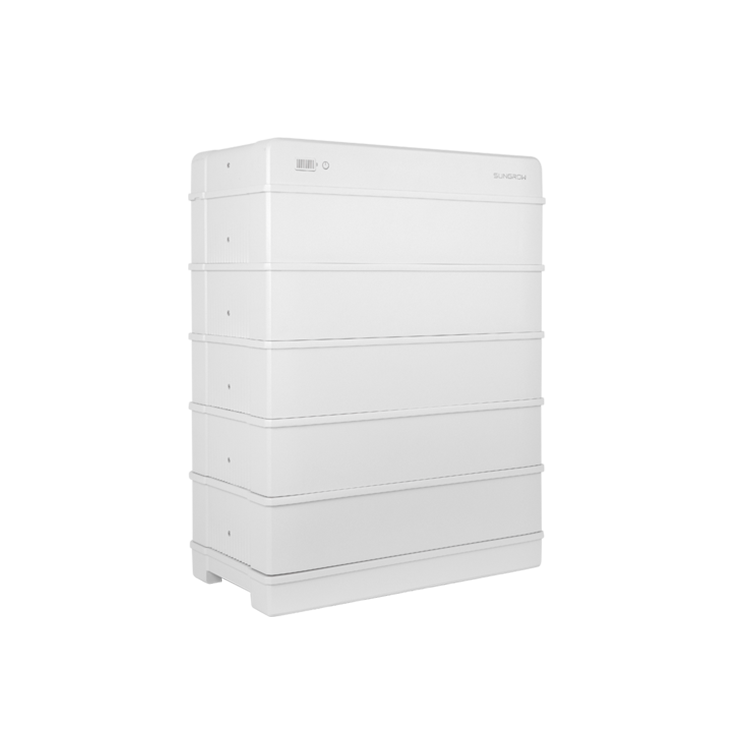
| Scalable | No | To 66kWh | To 25.6kWh |
| Inverter lock-in | Fronius GEN24 | Multiple brands | Sungrow SH only |
| Capacity guarantee | 80% at 10yr | 70% at 10yr | 70% at 10yr |
The $2,500–$3,000 supply premium over the BYD HVM for slightly less capacity is real. If the Fronius ecosystem is your priority - you’re buying a new GEN24 inverter or already have one - the Reserva is easy to recommend. If you’re evaluating storage on a standalone basis, the BYD offers more for less.
Who should buy the Fronius Reserva 15
The Fronius Reserva 15 is for homeowners who are buying or already own a Fronius GEN24 Plus inverter and want the deepest integration, the strongest capacity guarantee in the market, and confidence in after-sales support. It is not for households evaluating storage independently of inverter brand, and it is not a fit for systems that may need to grow beyond 15kWh.
When the GEN24 and Reserva are specified together as a new installation, the combination represents one of the most technically coherent residential solar-storage systems available in Australia.