Gridly
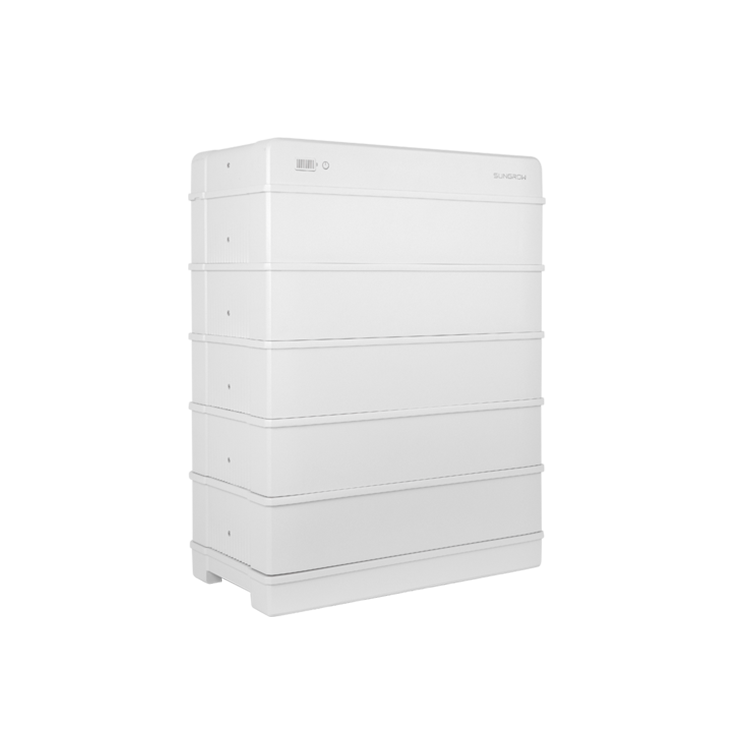
Five modules. 16kWh. 9.6kW output. The SBR160 HV sits between Sungrow’s entry 9.6kWh model and the maximum-capacity 25.6kWh unit - and for most Australian families with above-average solar, it’s the most sensible place to land in the range.
The numbers that matter most: 97% round-trip efficiency (the same across all SBR variants), and a supply price of $10,500 that undercuts the Tesla Powerwall 3 by $2,650 for 2.5kWh more usable capacity. At 9.6kW, the output is close enough to the Powerwall 3’s 10kW that backup performance is functionally equivalent for every household scenario short of running an industrial chiller.
Capacity in practice
16kWh is meaningful storage. A household consuming 18–22kWh per day might draw 8–12kWh after the sun goes down. The SBR160 covers that evening and overnight demand for most households, often with capacity remaining for the pre-solar morning.
Pair it with a 10kW solar system and a time-of-use tariff, and the household can achieve high grid independence year-round in most Australian capital cities. In summer the battery cycles fully on most days. In winter it still provides meaningful evening coverage even when it doesn’t fully charge.
The expansion option matters here. If 16kWh proves insufficient after a year of actual use - an EV added, more people in the house - adding modules to reach 22.4kWh or 25.6kWh is a genuine option.
The efficiency argument, in concrete terms
97% efficiency vs the Powerwall 3’s 89%: over 10 years of daily cycling on a 16kWh battery, the Sungrow returns approximately 4,700kWh more energy from the same stored solar generation. At 35 cents/kWh, that’s roughly $1,645 in additional energy value generated simply by being more efficient. Not a rounding error - a meaningful financial difference that compounds across the battery’s life.
Weight and installation
180kg requires a structural check before wall mounting. Most standard Australian garage walls handle it without issue, but older brick or weatherboard construction may need additional support. Floor mounting is a clean alternative if the wall assessment raises questions.
A qualified Sungrow installer will assess this at quote stage - it’s not something you’re left to figure out after purchase.
Pricing and the federal rebate
| Cost component | Amount |
|---|---|
| SBR160 supply | ~$10,500 |
| Sungrow SH inverter (if needed) | $2,000–$3,500 |
| Installation labour | $1,500–$2,500 |
| Total before rebate | $14,000–$16,500 |
| Federal battery rebate | ~$3,700 |
| Net installed cost | ~$10,300–$12,800 |
How it compares
| Sungrow SBR160 | Tesla Powerwall 3 | BYD HVM 16.6 | |
|---|---|---|---|
| Capacity | 16 kWh | 13.5 kWh | 16.6 kWh |
| Continuous output | 9.6 kW | 10 kW | 5 kW |
| Efficiency | 97% | 89% | 96% |
| Solar inverter included | No | Yes | No |
| Inverter compatibility | Sungrow/SolarEdge | Tesla only | Most major brands |
| Supply price | ~$10,500 | ~$13,150 | ~$8,800 |
The SBR160 has more capacity than the Powerwall 3, better efficiency, and costs $2,650 less - with the requirement of a compatible inverter. Against the BYD HVM 16.6: similar efficiency and capacity, higher output, similar price range, but the BYD works with far more inverter brands.
Who should buy it
The SBR160 HV is the default recommendation for a 3–5 person Australian household building a new solar-plus-battery system, pairing with a Sungrow SH hybrid inverter, who want strong efficiency and don’t need the Powerwall 3’s premium pricing or Tesla ecosystem. It’s also the right expansion target if you start with the SBR096 and want to grow.
Not the right choice if you need broad inverter compatibility (BYD) or backup output well above 10kW. For most family households without those constraints, the SBR160 is the strongest overall package at this capacity tier.