Gridly
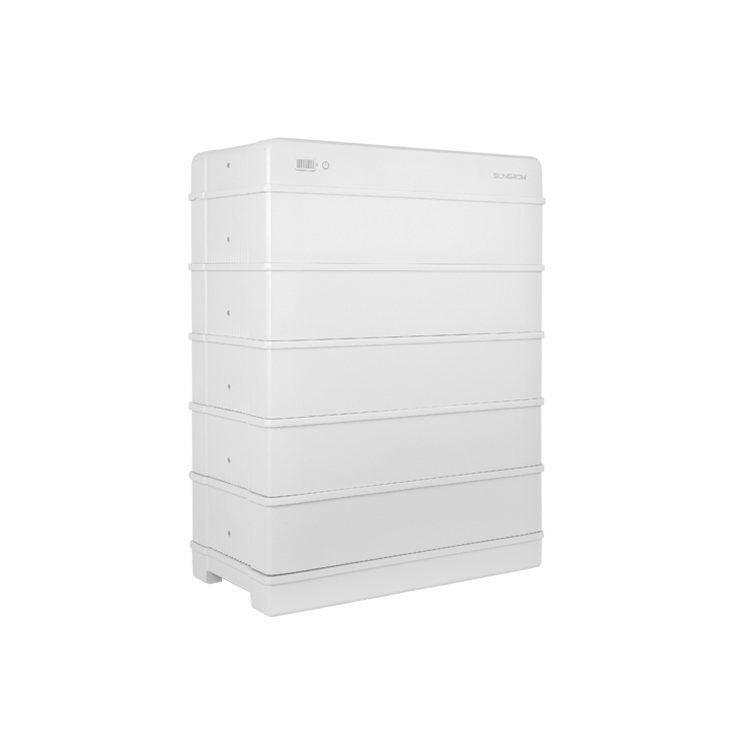
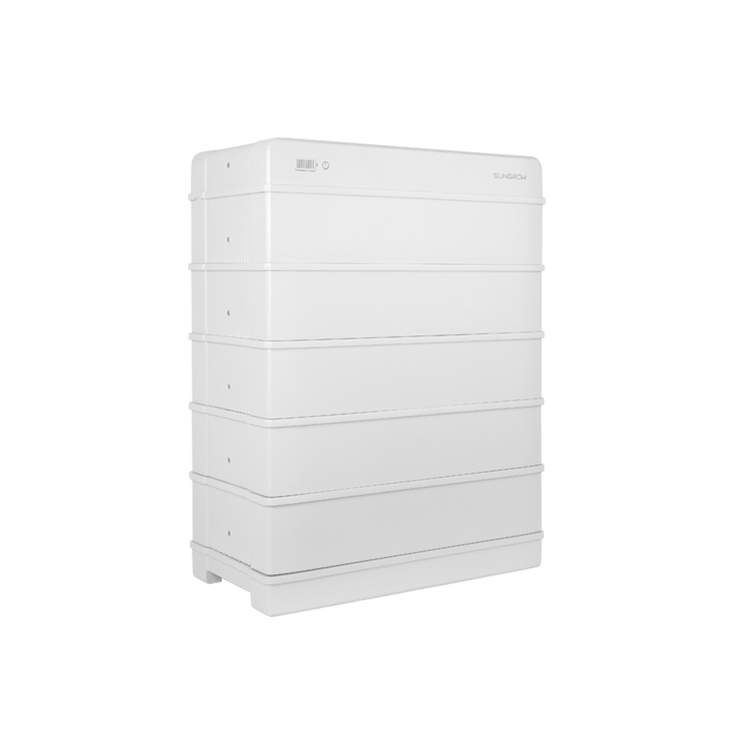
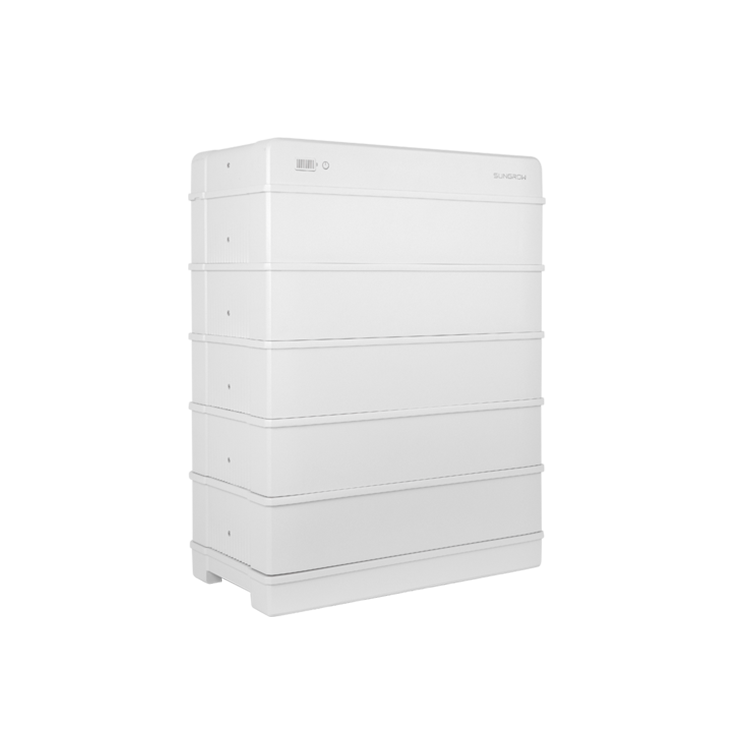
Most home batteries are sized to handle evening demand. The SBR256 is sized to handle evening demand and have capacity left over. At 25.6kWh, it’s a statement about how seriously you want to reduce grid dependence.
For the right household - large solar, an EV, or a South Australian electricity bill - the economics are clear. A 10kW+ system generating 40–50kWh on a summer day, with grid rates above 45 cents/kWh, has strong incentive to store as much surplus as possible rather than export at 5–8 cents. The SBR256 captures that surplus.
What 25.6kWh actually covers
A 4-person household consuming 22–28kWh per day might use 10–14kWh overnight. The SBR256 covers that with headroom. Add EV charging drawing 10–15kWh overnight and the picture shifts - 16kWh starts to feel tight, 25.6kWh comfortably handles combined household and vehicle demand.
The realistic cycle: solar fills the battery by early-to-mid afternoon on most days with a 10kW+ system, the surplus is discharged from late afternoon through the next morning, and the battery sits at 20–40% at dawn. It rarely depletes completely except during extended cloudy periods in winter.
Solar sizing requirement
Rules of thumb for matching solar to the SBR256:
- A 10kW system generates 35–50kWh on a good summer day in most capital cities
- After daytime household consumption (8–12kWh), 23–38kWh is available for charging
- The SBR256 fills by early afternoon on most summer days with 10kW solar
In winter, the same system may generate 20–28kWh on a good day in southern states. The battery may only charge to 50–70% - still useful for evening coverage, but the full capacity isn’t always accessible. This is expected behaviour, not a product issue.
The weight reality
230kg is substantial. Floor mounting is the standard approach - concrete slab floors handle it without issue. Timber floors may need an engineer’s assessment. Wall mounting is technically possible but rarely recommended at this weight.
Budget $2,000–$3,000 for installation labour, more than the lighter models, reflecting the extra time and care involved.
Pricing and the federal rebate
| Cost component | Amount |
|---|---|
| SBR256 supply | ~$15,800 |
| Sungrow SH inverter (if needed) | $2,000–$3,500 |
| Installation labour | $2,000–$3,000 |
| Total before rebate | $19,800–$22,300 |
| Federal battery rebate | ~$5,700 |
| Net installed cost | ~$14,100–$16,600 |
Cost per usable kWh after rebate: approximately $550–$650. Competitive for 2026 Australian market pricing at this capacity.
How it compares
| Sungrow SBR256 | Tesla Powerwall 3 ×2 | BYD HVM 22.1 | |
|---|---|---|---|
| Capacity | 25.6 kWh | 27 kWh | 22.1 kWh |
| Continuous output | 9.6 kW | 20 kW combined | 5 kW |
| Efficiency | 97% | 89% | 96% |
| Supply price | ~$15,800 | ~$22,900 | ~$11,800 |
| Inverter required | Sungrow SH/SolarEdge | Tesla (built-in) | Most major brands |
Against two Powerwall 3 units: the Sungrow wins on efficiency and cost by a significant margin, but the combined Powerwall output (20kW) dwarfs 9.6kW. Against BYD’s 22.1kWh HVM: less capacity but higher output, similar efficiency, higher price, and the same inverter constraint trade-off.
Who should buy it
Households with 10kW+ solar, high daily consumption, an EV charging at home, or strong grid-independence goals. South Australian households with retail rates above 45 cents/kWh will find the self-consumption economics particularly compelling at this capacity.
Not appropriate for smaller homes, modest solar, or households whose primary goal is backup power rather than daily cycling volume. For those, the SBR096 or SBR160 is a better proportional match.