 Gridly
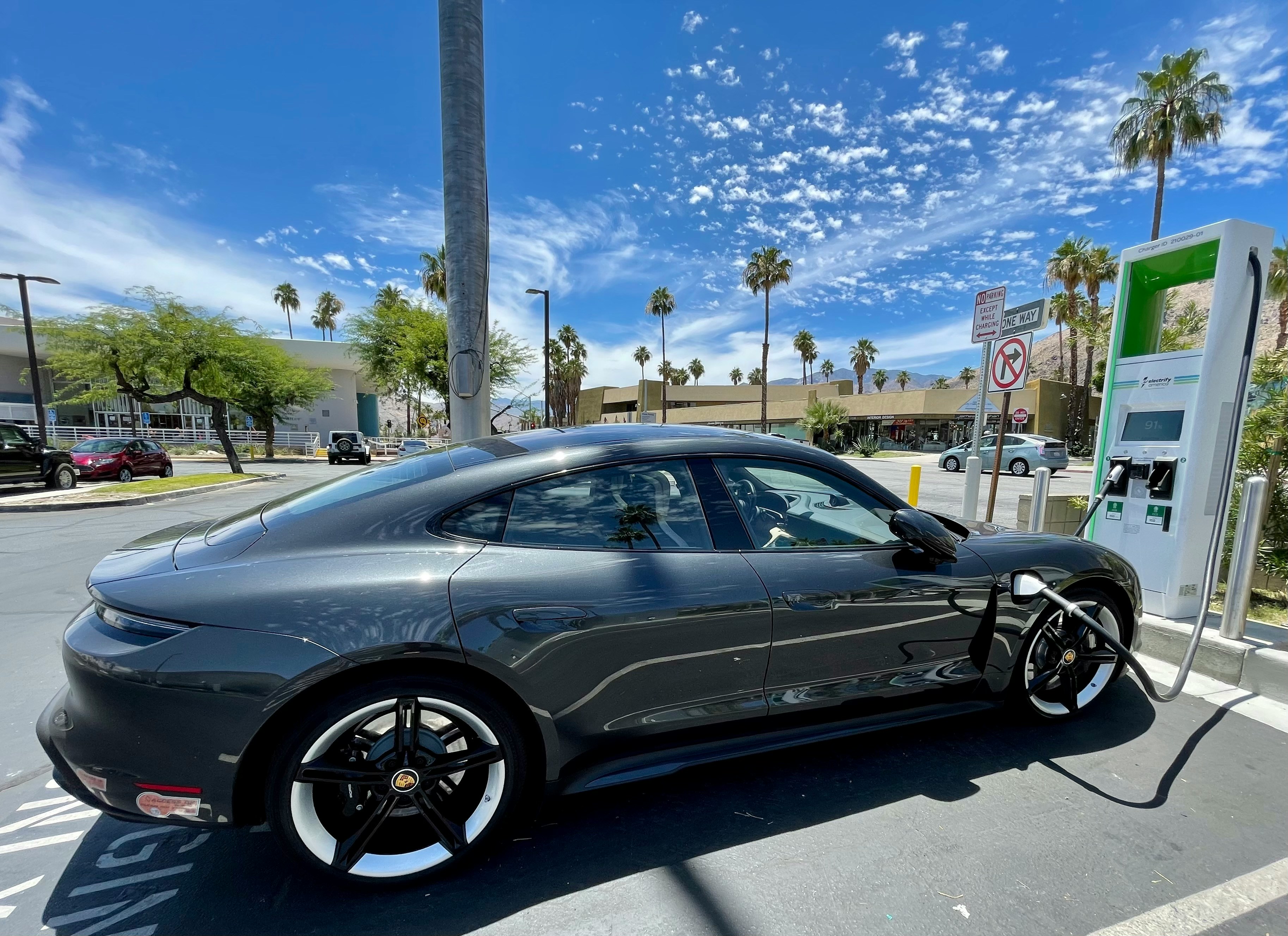
Find the right home energy setup for you
Compare products and get free quotes from vetted local installers.
0+
EVs compared
0
Battery systems
0
EV chargers
0
Free calculators
How it works
Pick a category
Browse solar panels, home batteries, EV chargers, heat pumps, or electric vehicles. Every product has real Australian specs and pricing.
Compare side by side
Filter by price, capacity, or features. Use our free calculators to estimate payback, savings, and the right system size for your home.
Decide with confidence
Read honest reviews, check rebates for your state, and know exactly what to ask an installer before you commit.
19 free calculators
Run the numbers before you buy. No sign-up required.
What are you researching?
Detailed specs, side-by-side comparisons, and honest reviews - all with Australian prices.

Solar divert, OCPP, load management, and installed price for every major home charger in Australia.
Compare Chargers →
LFP chemistry, DC/AC coupling, inverter compatibility, and state rebates - all compared side by side.
Compare Batteries →
Replace gas hot water with an efficient heat pump. Compare brands, running costs, and rebates.
Compare Heat Pumps →
Real range, Australian prices, running cost vs petrol, and FBT savings across every BEV available.
Compare EVs →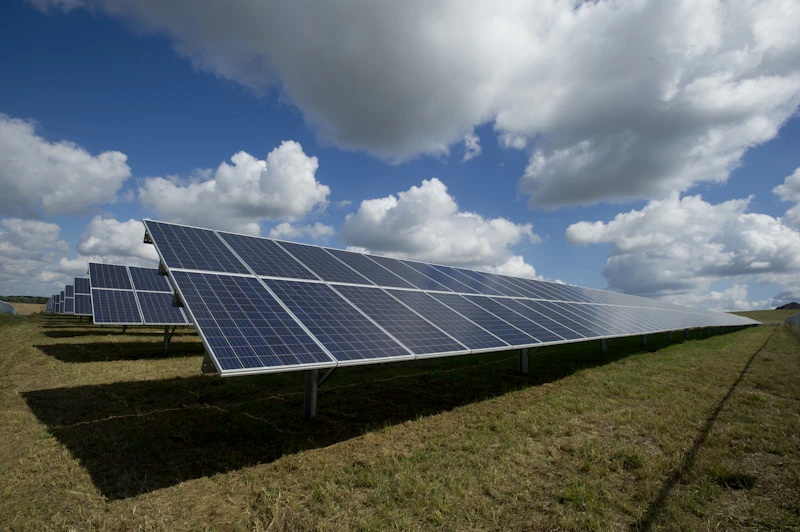
Panel and inverter specs, STC rebates, and system sizing - with real Australian installed prices.
Compare Solar →Every EV, battery, solar, and charger rebate available in Australia - by state, updated monthly.
Check Rebates →Stay in the loop
Sign up to stay on top of new product releases, news and home electrification insights.
Common questions
The questions we get most from Australian households considering solar, batteries, or EVs.
Are home batteries worth it in Australia in 2026?
+
For households with solar already installed and evening electricity use above 8-10 kWh, yes - typically. With feed-in tariffs sitting at 2-5c/kWh and grid power costing 28-35c, the arbitrage value is around 25c per kWh stored. A 16 kWh battery cycling 300 days a year saves roughly $1,200 annually. Add a state rebate and payback can fall to 6-8 years against a 10-year warranty.
What is the best home battery in Australia right now?
+
Depends on your priority. For pure value, the Sungrow SBR modular range is hard to beat. For compatibility with any inverter brand, the BYD HVM 16.6 is Australia's most-installed battery. For maximum backup output (11.5kW continuous), the Tesla Powerwall 3 leads the field. All three use LFP chemistry and carry 10-year warranties.
Which electric vehicle has the longest real-world range in Australia?
+
The Tesla Model 3 Long Range AWD (629km WLTP) and Hyundai Ioniq 6 Long Range AWD (614km WLTP) lead among mainstream EVs. In real Australian conditions - highway speeds, air conditioning - expect 15-20% less than WLTP.
What is the best EV charger for a home with solar?
+
The Myenergi Zappi is the standout for solar households - it adjusts its charge rate in real time to match surplus solar generation. The Fronius Wattpilot is another strong option if you have a Fronius inverter. Both the Evnex E2 Plus and Wallbox Pulsar Plus support solar divert and add OCPP compliance.
What government rebates are available for home batteries in Australia?
+
The federal Cheaper Home Batteries Program (launched July 2025) applies a point-of-sale discount of about $250 per usable kWh on the first 14 kWh of storage, with a lower rate above that. The rate stepped down on 1 May 2026 and tapers further through to 2030. On a typical 13 kWh battery that is roughly $3,300 off. WA, NSW, SA and the ACT stack their own incentives on top. Check our State Rebate Checker for current state programs.
How much does it cost to install an EV charger at home?
+
A typical 7kW home EV charger costs $1,200-$2,500 installed in Australia, depending on the brand and your switchboard setup. If your switchboard needs upgrading or the cable run is long, expect $2,500-$4,000.
What size solar system do I need for my home?
+
For most Australian households, a 6.6kW system covers typical daytime usage and exports enough to offset evening consumption through feed-in credits. If you have a home battery or EV you want to solar-charge, step up to 10-13kW. Use our free Solar System Sizing Calculator for a personalised recommendation.
Can I charge my EV with solar panels?
+
Yes - and it is one of the best reasons to pair solar with an EV. A solar-compatible charger like the Myenergi Zappi adjusts its charge rate to match your surplus solar, so your car charges on energy you would otherwise export at 2-5c/kWh. A 6.6kW system can add 30-40 km of free range per hour of sunshine.
Latest guides
Updated April 2026

heat pumps
Heat Pump vs Gas Hot Water in Australia: Costs, Savings and Which to Choose
Heat pumps cost $280 to $400 per year to run vs $800 to $1,200 for gas storage. Full comparison of upfront costs, rebates, running costs and 10-year TCO.

energy
How to Set Up Solar, a Battery and an EV Charger Together in Australia
A practical guide to configuring solar panels, a home battery and an EV charger as one integrated system. Sizing, priority settings and costs for 2026.

electric vehicles
EV Tyre Cost in Australia: Prices, Wear Rates and What to Buy
How much EV tyres cost in Australia for Tesla, BYD, Hyundai and MG. Why they wear faster, which brands last longest, and how to cut your tyre bill.
general
Heat Pump Hot Water Problems in Australia: What Goes Wrong and How to Fix It
Common heat pump hot water problems Australian owners face, from noise and cold weather drops to running out of hot water. Practical fixes for each issue.
electric vehicles
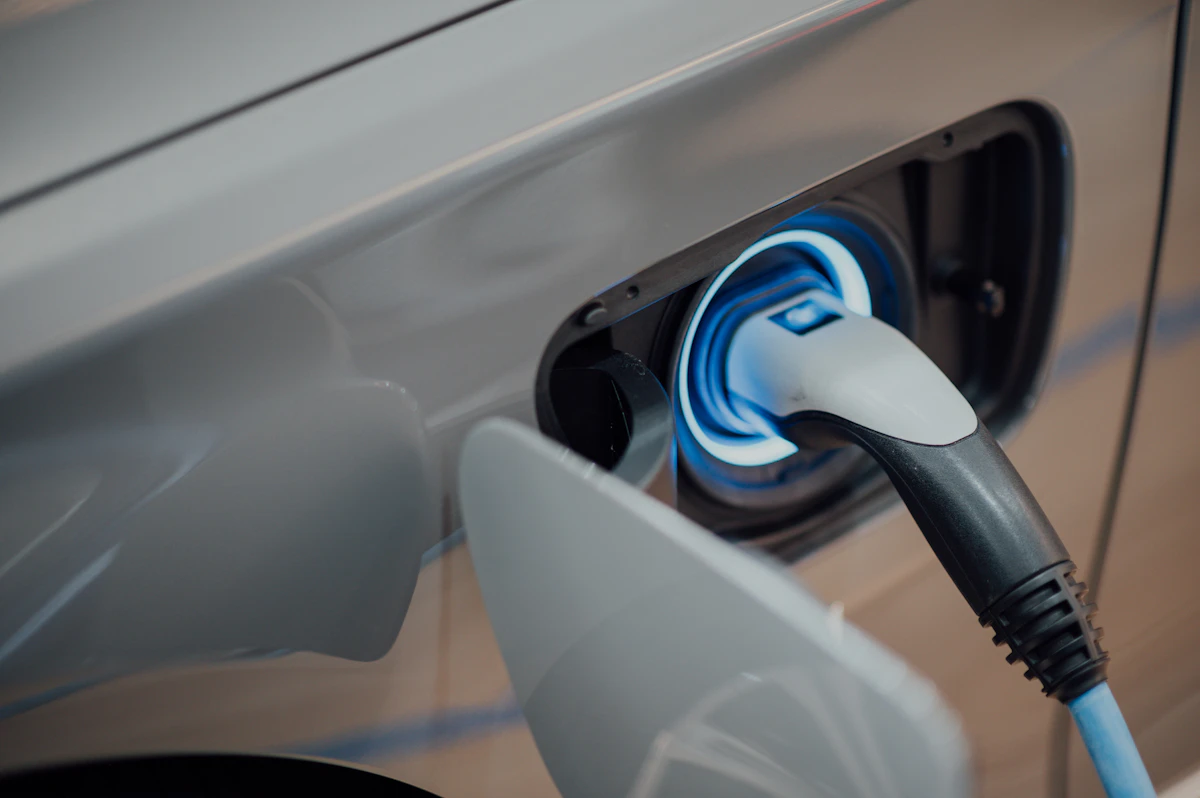
EV Subscription vs Novated Lease in Australia: Which Saves You More?
Compare EV subscriptions from Karmo, Origin and carbar with a traditional novated lease. Costs, flexibility, tax treatment and who each suits.
electric vehicles
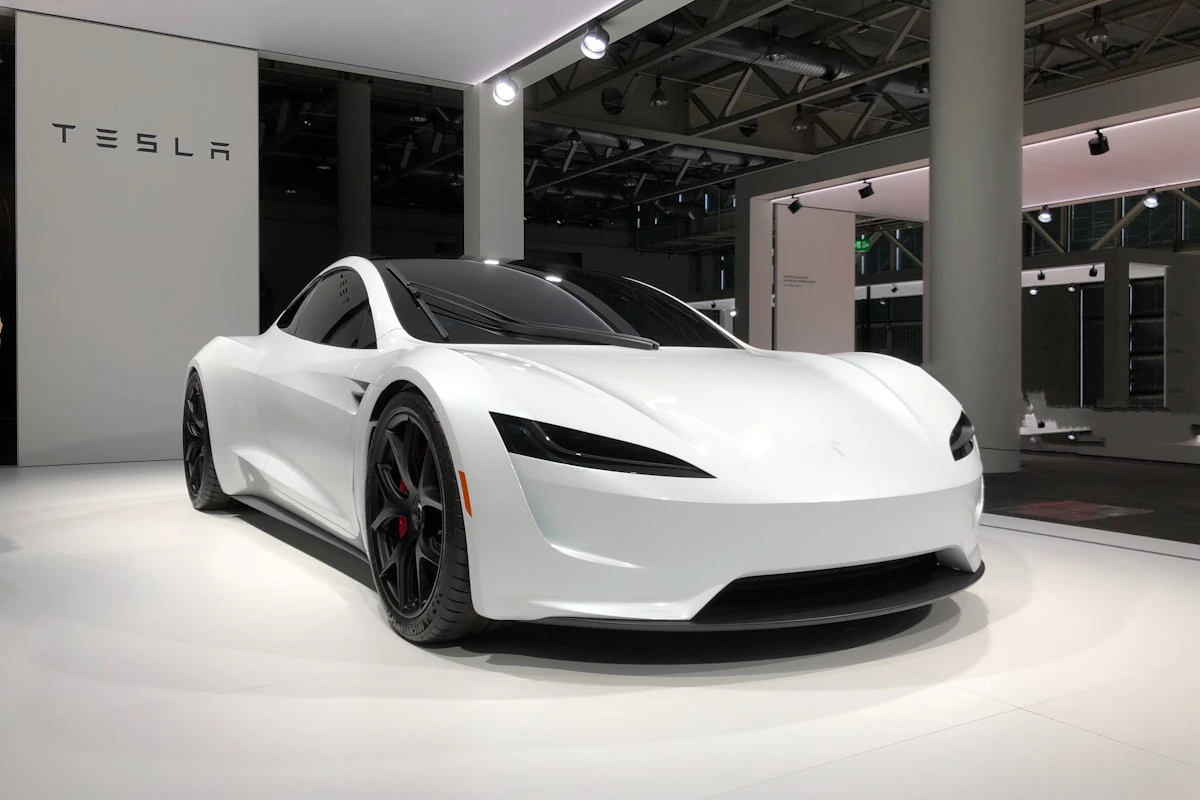
Kia EV3 Review Australia 2026: Price, Range and the Real Trade-Offs
Kia EV3 review for Australia. Every variant priced, real-world range tested, charging speeds and how it compares to the BYD Atto 3 and Volvo EX30.
electric vehicles
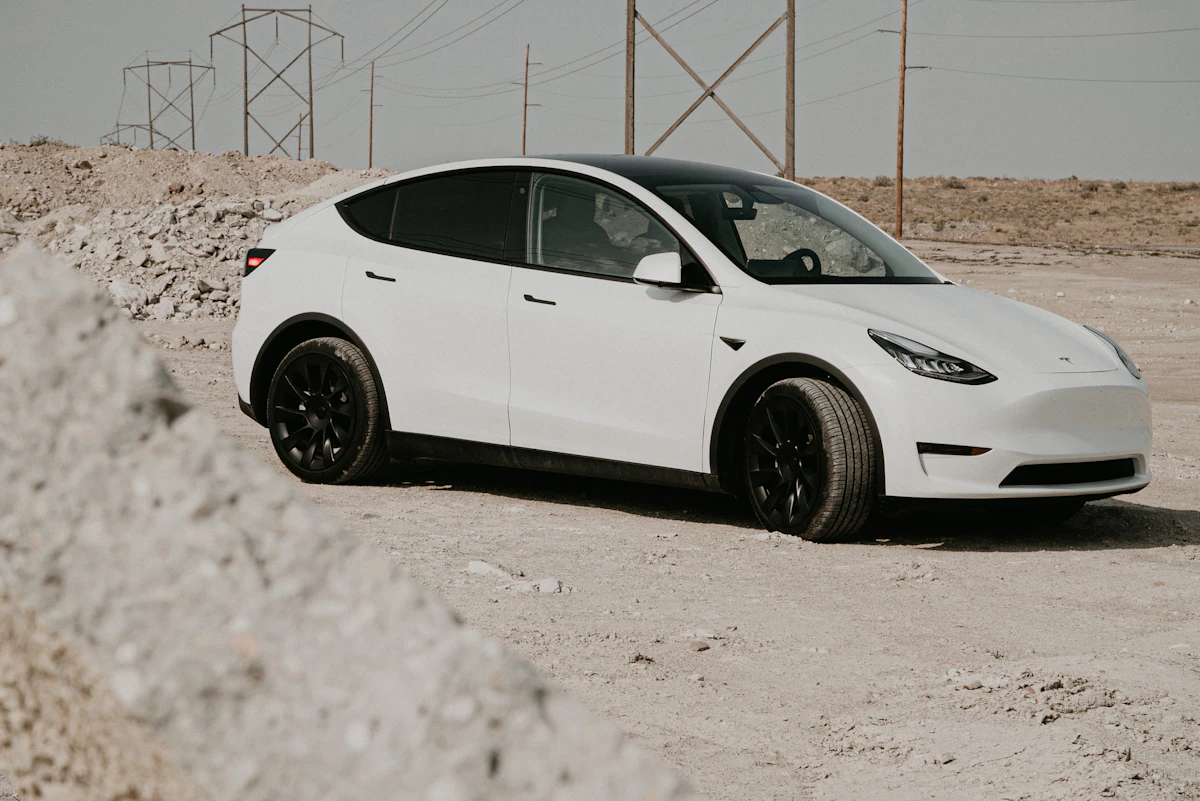
Best 7 Seater Electric Cars in Australia 2026: Every Model Compared
The best 7 seater electric car Australia offers in 2026: Kia EV9, IONIQ 9, Model Y L, ID. Buzz and Denza D9 compared on price, range and third-row space.
electric vehicles
Best Electric Sedan in Australia 2026: Seven Models Compared
The best electric sedan Australia has in 2026, compared: Tesla Model 3, BYD Seal, Mazda 6e, Polestar 2, IONIQ 6 and new arrivals, with prices and range.