Gridly
Sungrow makes more solar inverters than almost any other company in the world. Their SBR battery range applies that manufacturing scale to home storage, and the result is a product that wins on the metric that matters most for long-term value: efficiency.
97% round-trip efficiency. No other residential battery sold in Australia gets close. The Powerwall 3 manages 89%. BYD’s HVS hits 96%. In practical terms, if you store 10kWh of solar generation overnight, a Sungrow SBR returns 9.7kWh the next morning. The same charge in a Powerwall 3 returns 8.9kWh. Across years of daily cycling, that gap accumulates into real money.
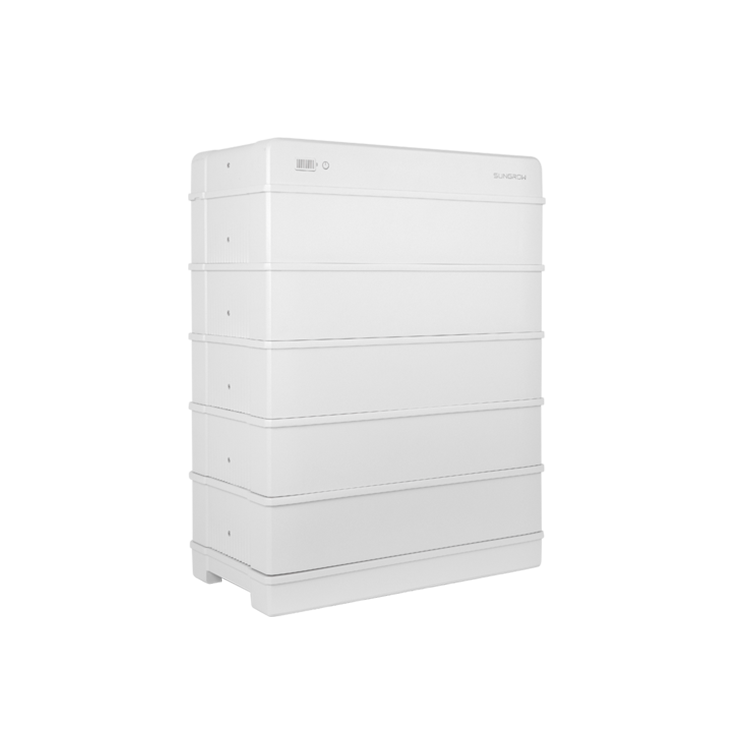
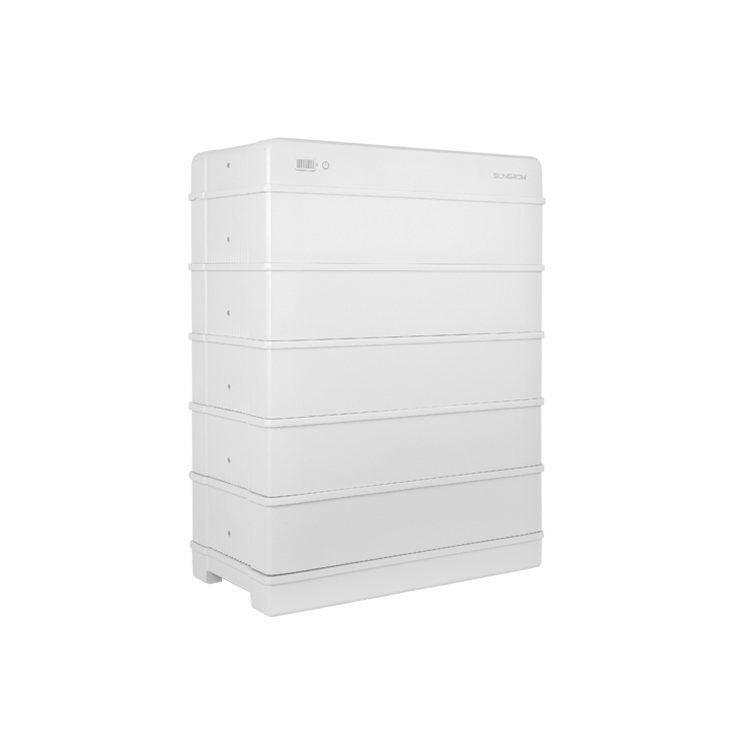
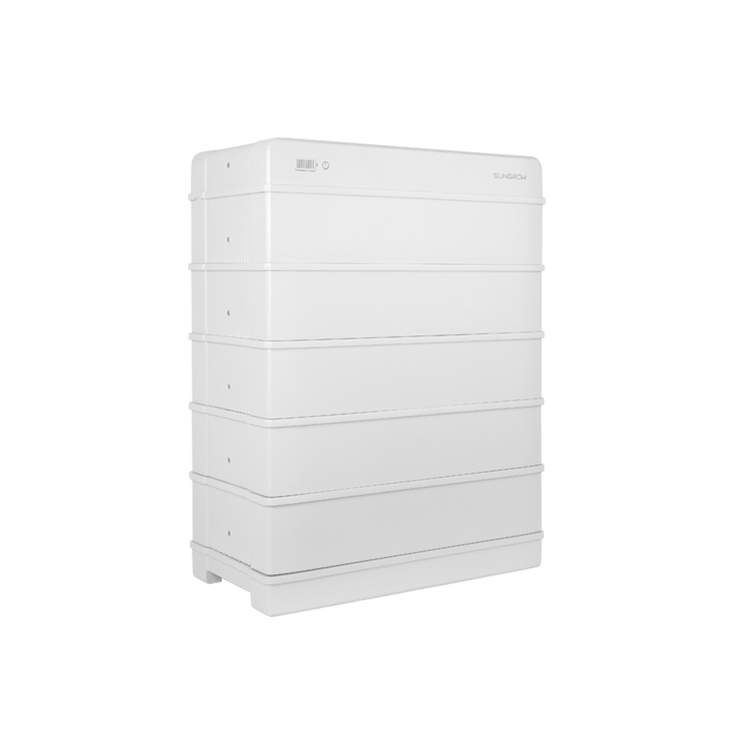
The SBR096 HV - 9.6kWh, three 3.2kWh modules - is the platform’s entry point.
The modular design in practice
The SBR isn’t a fixed-capacity product. Three modules give you 9.6kWh; four give 12.8kWh; five give 16kWh; eight (the maximum per stack) give 25.6kWh. Buy the minimum today and add modules later as your budget allows or as your self-consumption case improves.
Each module stacks on the existing bank and is recognised automatically. For a household with two people now but planning for more, starting at 9.6kWh and expanding after a year of real usage data is a sensible approach. You’re not locked into today’s decision.
The inverter constraint
The SBR is DC-coupled - the battery connects before the inverter. This delivers the 97% efficiency figure but means it only works with Sungrow’s own SH-series hybrid inverters or SolarEdge’s hybrid range.
If you already have a Fronius, GoodWe, SMA, or any other inverter, the SBR won’t work with it. For retrofit installations with an existing non-Sungrow inverter, BYD’s HVS or HVM range is the more practical option.
This isn’t a flaw - DC coupling is why the efficiency is so high - but it does narrow the buyer pool to those building fresh systems or willing to replace an inverter.
What the market thinks
SolarQuotes’ founder installed 12.8kWh of Sungrow SBR batteries in his own home and wrote about it publicly. Sungrow won gold in Best Value at the 2024 SolarQuotes installer awards and tied for first place overall in 2025. The customer review average across the SolarQuotes platform is 4.8 out of 5 - the highest of any battery brand reviewed there.
The honest criticism: the app is functional but not polished, and support can be stretched when demand is high. These are consistent, known trade-offs - not surprises buyers encounter after purchase.
Pricing and the federal rebate
| SBR096 (9.6kWh) | SBR160 (16kWh) | SBR256 (25.6kWh) | |
|---|---|---|---|
| Supply price | ~$6,500 | ~$10,500 | ~$15,800 |
| Federal rebate (approx) | ~$2,200 | ~$3,700 | ~$5,700 |
| Net supply after rebate | ~$4,300 | ~$6,800 | ~$10,100 |
Add $1,500–$2,500 for installation, plus $2,000–$3,500 for a new Sungrow SH hybrid inverter if required.
How it compares
| Sungrow SBR096 | Tesla Powerwall 3 | BYD HVS 10.2 | |
|---|---|---|---|
| Capacity | 9.6 kWh | 13.5 kWh | 10.2 kWh |
| Continuous output | 5 kW | 10 kW | 5 kW |
| Round-trip efficiency | 97% | 89% | 96% |
| Inverter required | Sungrow SH or SolarEdge | Tesla (built-in) | Most major brands |
| Supply price | ~$6,500 | ~$13,150 | ~$5,500 |
| Expandable | Yes (to 25.6kWh) | Yes (4 units) | Yes |
Who should buy it
The SBR096 HV is the right call for households building a new solar-plus-battery system with a Sungrow SH hybrid inverter, who want the best long-term energy recovery from their solar generation. The 97% efficiency advantage compounds over 10 years in a way that translates to real savings.
It’s also logical as a starting point if you expect to expand - the modular architecture is genuinely built for it. Skip it if you have an existing non-Sungrow inverter you want to keep, or if backup output above 5kW is specifically required.