Gridly
Overview
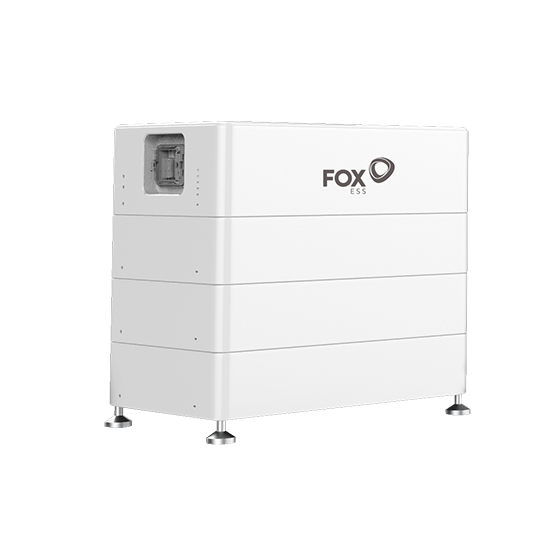
The FoxESS EQ5000 has been available in Australia longer than the newer CQ6 and represents the established FoxESS battery option for most installers. In the 14kWh configuration - one master and two slave modules - it offers 13.3kWh of usable storage at approximately $6,500, which compares favourably to alternatives at this capacity level.
FoxESS as an inverter brand has accumulated solid installer feedback in Australia. The EQ5000 benefits from that familiarity: installers who specify FoxESS inverters tend to recommend the EQ5000 because it’s the combination they’ve installed and commissioning knowledge is well established.
The temperature range advantage
Australian climate spans extremes that challenge battery specifications. Standard LFP batteries specify discharge to 0°C or −5°C at the lower end and 50°C at the upper end. The EQ5000’s −10°C discharge capability and 55°C upper operating temperature provide meaningful margin in both directions.
For installations in:
- Inland SE Australia (Albury, Ballarat, Canberra) where garage overnight temperatures in winter can reach −5°C to −10°C: the EQ5000 continues discharging where standard-spec batteries may reduce output or shut down.
- Northern Queensland and WA where enclosed spaces hit 45–50°C in summer: the 55°C upper limit provides a safety buffer that standard 50°C-rated batteries don’t have.
This isn’t a marketing footnote - it has practical implications for installations in climatic extremes, particularly in non-climate-controlled outbuildings.
DoD comparison: EQ5000 vs CQ6
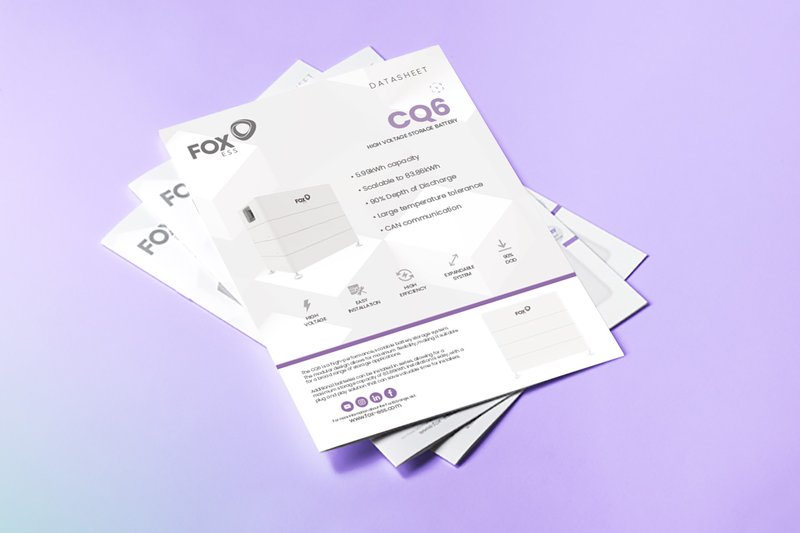
The EQ5000’s 90% DoD is standard for the industry. The newer FoxESS CQ6 achieves 100% DoD. The practical difference on a per-day basis:
- EQ5000, 14.76kWh nominal, 90% DoD: 13.3kWh usable
- CQ6, 11.98kWh nominal, 100% DoD: 11.98kWh usable
The EQ5000 delivers more total daily storage at the 14kWh configuration level despite the DoD disadvantage. The CQ6 is more efficient per nominal kWh claimed, but the EQ5000 wins on absolute usable capacity at the same price point.
The 10-year versus 12-year warranty difference remains the clearest reason to prefer the CQ6 if the FoxESS ecosystem is your starting point.
Modular expansion: practical steps
Starting at 9.84kWh and expanding to 29.52kWh in defined increments gives buyers flexibility that isn’t available from fixed-capacity alternatives. A household that starts with 14.76kWh and subsequently installs an EV can add modules to increase overnight charging headroom without replacing the battery system entirely.
The EQ5000’s modular architecture supports this without requiring the master controller to be replaced or the electrical connection to the inverter to be redone - the new slave modules attach to the existing rack and register with the BMS automatically.
Comparison with relevant alternatives
| FoxESS EQ5000 14kWh | FoxESS CQ6 12kWh | BYD HVM 16.6 | |
|---|---|---|---|
| Usable capacity | 13.3kWh | 11.98kWh | 16.6kWh |
| DoD | 90% | 100% | ~95% |
| Warranty | 10 years | 12 years | 10 years |
| Supply price | ~$6,500 | ~$7,000 | ~$8,500 |
| Inverter compatibility | FoxESS only | FoxESS only | Multiple brands |
| Scalability | To 29.52kWh | To 83.86kWh | To 66kWh |
For buyers building a new FoxESS system, the CQ6 at $500 more for 12-year warranty and 100% DoD is worth considering seriously. For buyers already running FoxESS inverters who want maximum usable capacity per dollar, the EQ5000 at 14kWh for $6,500 is the more efficient use of budget.
Who should buy the FoxESS EQ5000
The EQ5000 14kWh configuration is the right choice for FoxESS inverter owners who want strong capacity at the lowest cost within the ecosystem, and for buyers in climatic extremes where the extended temperature range provides useful margin. The warranty and DoD trade-offs versus the CQ6 are real but become less significant if the buyer’s priority is maximising usable kWh per dollar. Ask your installer to quote both the EQ5000 and CQ6 for a direct comparison before committing.