Gridly
Overview
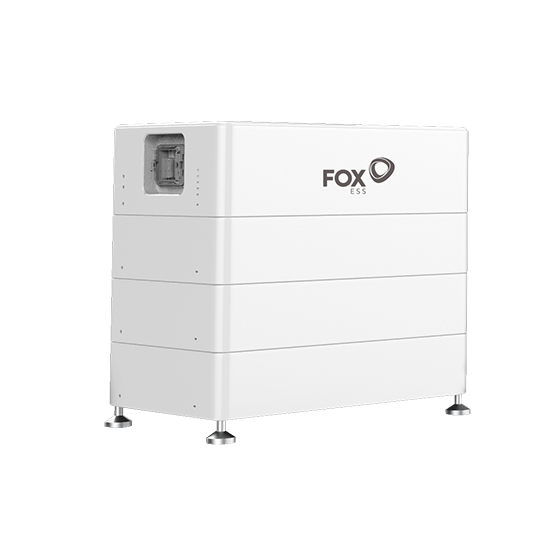
FoxESS is primarily known in Australia as an inverter manufacturer - its H1 and H3 series have built a solid installer following as reliable, well-priced hybrid inverters. The CQ6 is the battery that FoxESS developed to complete that ecosystem, and the headline specifications are genuinely competitive: 12-year warranty and 100% depth of discharge distinguish it from every other battery in the residential market at a comparable price.
The CQ6 launched in Australia in late 2025. That recency means the long-term track record doesn’t yet exist - a relevant consideration for a 12-year warranty product - but FoxESS’s inverter performance history provides indirect confidence in the brand’s engineering quality.
The 12-year warranty
To understand why this matters, consider the warranty landscape: Enphase and Sonnen offer 15-year warranties, but at prices that put them in a different purchasing tier. Among batteries costing $6,000–$10,000, every other brand offers 10 years. FoxESS offers 12.
Two additional years at the end of a warranty period is when it matters most - batteries that develop issues in years 10–12 represent the tail end of their practical life, where an out-of-warranty replacement is a significant financial hit. For a battery installed in 2026, the FoxESS CQ6 warranty runs to 2038.
The 70% capacity retention guarantee at end of warranty is standard industry practice. The 12-year duration is what sets the CQ6 apart from the field.
100% depth of discharge: the real numbers
A 12kWh battery with 90% DoD stores 12kWh but delivers 10.8kWh. The remaining 1.2kWh is kept in reserve by the battery management system to protect cell longevity. A 10.2kWh battery with 100% DoD delivers more usable energy than a 12kWh battery at 90% DoD.
The CQ6’s 11.98kWh at 100% DoD means 11.98kWh of storage you can actually use. Over a 12-year daily cycling period, the maths matter: compared to a 90% DoD competitor with the same nominal capacity, CQ6 users access an additional ~520kWh per year of usable storage for the same hardware.
The real-world implication is that size comparisons based on nominal kWh figures understate the CQ6’s advantage relative to 90% DoD competitors.
Inverter lock-in: the constraint
The CQ6 is DC-coupled and requires a FoxESS hybrid inverter - H1-G2 for single-phase or H3 for three-phase installations. This is not optional and cannot be worked around.
For homes already running compatible FoxESS hardware, this is a non-issue. For homes considering a complete new system, it means evaluating FoxESS inverters alongside the battery - which, given FoxESS’s installer reputation, is not an unreasonable system to specify.
The concern is retrofitting. A homeowner with a functioning Fronius or SMA inverter cannot add the CQ6 without replacing their inverter. The AC-coupled alternatives - Sonnen, FranklinWH, AlphaESS SMILE-B3 - are the relevant options for that scenario.
Comparison with FoxESS EQ5000 and key alternatives
| FoxESS CQ6 | FoxESS EQ5000 (~14kWh) | BYD HVM 16.6 | |
|---|---|---|---|
| Usable capacity | 11.98kWh | ~13.3kWh (90% DoD) | 16.6kWh |
| DoD | 100% | 90% | ~95% |
| Warranty | 12 years | 10 years | 10 years |
| Supply price | ~$7,000 | ~$6,500 | ~$8,500 |
| Inverter lock-in | FoxESS only | FoxESS only | Multiple brands |
Within the FoxESS ecosystem, the CQ6 versus EQ5000 decision comes down to whether the 12-year warranty and 100% DoD justify the higher price for lower nominal capacity. For buyers valuing warranty longevity, the CQ6 is the choice. For buyers maximising kWh per dollar within the FoxESS system, the EQ5000 is more efficient.
Who should buy the FoxESS CQ6
The CQ6 is for buyers installing a new FoxESS hybrid inverter system who want the longest residential battery warranty in Australia at a mid-market price. The 12-year coverage and 100% DoD are genuine differentiators that justify the modest premium over the FoxESS EQ5000.
The honest caveat: this is a new product in Australia. The 12-year warranty is only as good as the warranty backing entity’s ability to honour it over 12 years. FoxESS’s global scale provides reasonable confidence, but buyers should confirm local warranty procedures with their installer and check back on installer reviews as the product accumulates a field track record through 2026–2027.