Gridly
Overview
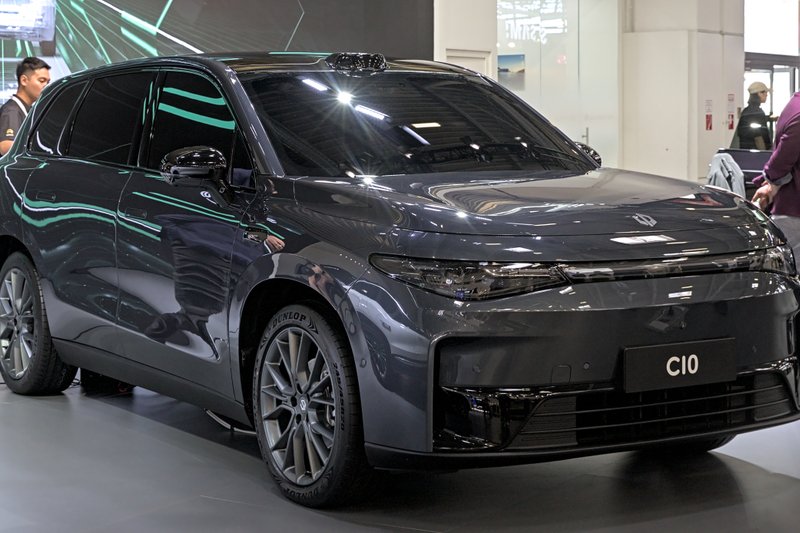
The C10 Design is the premium trim of Leapmotor’s mid-size SUV range, adding a panoramic sunroof, enhanced infotainment, upgraded interior materials, and a more comprehensive driver assistance suite to the C10 platform. It is the complete C10 - the vehicle for buyers who want every feature the Leapmotor C10 offers, not just the essentials.
The C10 Design uses a 69.9kWh battery for 420km of WLTP range with a RWD single motor configuration - a slight change from the Standard’s FWD layout. At $49,888, the Design competes with the BYD Atto 3 Premium and the lower end of the Kia EV5 and Hyundai Ioniq 5 entry variants.
The Stellantis distribution partnership underpins the C10 Design’s service network in Australia, a meaningful practical advantage for buyers who prioritise accessible after-sales support when buying a Chinese-brand vehicle.
Pricing & Variants
| Variant | Battery | Range | Drive | DC Charging | Price |
|---|---|---|---|---|---|
| C10 Standard | 69kWh | 400km WLTP | FWD | 150kW | ~$42,990 |
| C10 Design | 69.9kWh | 420km WLTP | RWD | 84kW | ~$49,888 |
The Design’s $7,000 premium over the Standard buys the full specification package but delivers slower DC charging (84kW vs the Standard’s 150kW). Buyers who regularly use public DC fast chargers on longer trips should weigh this trade-off carefully.
Performance
The C10 Design uses a single rear motor in RWD configuration. 0-100 km/h takes approximately 7.5 seconds, and top speed is 175 km/h. The RWD layout gives the Design a more engaging driving character than the Standard’s FWD; it is more balanced in dynamic situations and more capable in spirited driving.
The C10’s character is comfortable touring rather than performance driving, but the RWD configuration adds a subtle edge that the Standard lacks.
Range and Charging
- WLTP range: 420km
- Real-world estimate: 320-360km at mixed urban/highway driving
- DC charging: 84kW (CCS)
- AC charging: 11kW (Type 2)
- 10-80% at 84kW DC: approximately 42-48 minutes
- Full charge at 11kW AC: approximately 7.5 hours
The 84kW DC charging is the C10 Design’s main limitation for highway use. It is slower than the C10 Standard’s 150kW and slower than most Chinese EV competitors at this price. Buyers who mainly charge at home and use DC charging only occasionally will find this less problematic; frequent highway travellers should prefer the Standard for its charging speed.
Interior and Technology
The Design trim delivers the complete C10 interior specification. A panoramic glass sunroof opens the cabin considerably. The infotainment system is enhanced with a larger or higher-resolution display. Wireless CarPlay and Android Auto are standard. Premium upholstery materials, ambient lighting, and a Bose or equivalent audio system (confirm specification) differentiate the Design from the Standard.
The driver assistance suite in the Design is more comprehensive - expect adaptive cruise with lane centring, traffic jam assist, and a more complete ADAS package than the entry Standard trim.
Practicality
Five seats with generous adult rear-seat space, a flat EV floor, and practical boot capacity make the C10 Design well suited to family use. The panoramic roof improves the sense of light and airiness in the rear cabin. No towing is rated. V2L and V2H are not available. Home charging at 11kW overnight is the primary charging scenario this vehicle is designed around.
Safety
The C10 Design is expected to include the full Leapmotor ADAS suite: AEB with pedestrian and cyclist detection, lane departure warning, blind spot monitoring, rear cross-traffic alert, traffic jam assist, and 360-degree camera. ANCAP results should be confirmed when published for the Australian-specification model.
Running Costs and Ownership
- Energy cost: (69.9 ÷ 420) × 100 × $0.30 = $4.99/100km at $0.30/kWh
- Warranty: 4 years / 120,000km (confirm current terms)
- Dealer network: Via Stellantis-affiliated dealers Australia-wide
Running costs for the C10 Design are low. The 4-year/120,000km warranty remains the ownership consideration relative to Korean alternatives. Extended warranty options should be explored at point of purchase. Stellantis dealer infrastructure reduces the service accessibility risk typical of newer Chinese EV brands.
Verdict
The C10 Design is the recommended C10 for buyers who value specification completeness, the panoramic roof, and the enhanced technology package - and who primarily charge at home rather than relying heavily on public DC fast chargers. The panoramic roof, premium interior, and enhanced ADAS make a genuine quality-of-life difference in daily use.
For buyers who regularly need fast public charging on longer drives, the C10 Standard’s 150kW DC capability makes it the more practical choice despite its lower specification. Confirm which priority - specification or charging speed - matters most before deciding.
Frequently Asked Questions
Why does the C10 Design charge slower than the C10 Standard?
The C10 Standard uses a different battery and motor configuration that supports 150kW DC charging. The Design’s 69.9kWh RWD battery pack is calibrated at 84kW DC - a genuine trade-off buyers should be aware of. This is an unusual reversal of the typical higher-trim = better-spec pattern.
Is the panoramic roof worth the premium over the Standard?
The panoramic roof is standard on the Design and unavailable on the Standard. If this feature matters to you, the Design is the only option. If you prioritise highway charging speed, the Standard’s 150kW DC is the more pragmatically useful differentiator.
How does the C10 Design compare to the BYD Atto 3 Premium?
The BYD Atto 3 Premium (~$49,990) offers similar specification at a similar price with BYD’s more established Australian dealer network and V2L capability. The C10 Design counters with the Stellantis service network, RWD dynamics, and slightly longer range (420km vs 418km WLTP). The BYD’s V2L and stronger resale value are advantages. The C10 Design’s panoramic roof and RWD are its differentiators.