Gridly
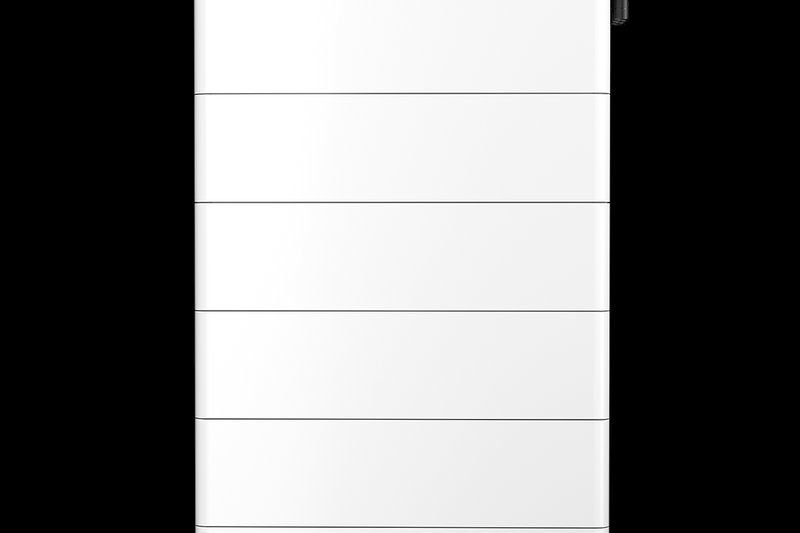
BYD makes more lithium battery cells than any other company on earth. They supply cells to BMW, Toyota, and dozens of manufacturers. Their Battery-Box residential product brings that manufacturing depth to home storage - and wins primarily on one thing: it works with almost every quality hybrid inverter sold in Australia.
That compatibility matters more than it sounds. A large proportion of Australian solar households installed a Fronius, SMA, SolarEdge, or GoodWe hybrid inverter in recent years - quality equipment with years of life remaining. Adding a battery doesn’t need to mean replacing the inverter. With a BYD HVS, in most cases, it doesn’t.
The compatibility advantage
The Sungrow SBR - with its market-leading 97% efficiency - only works with Sungrow SH inverters and SolarEdge. The Tesla Powerwall 3 only works with Tesla’s own inverter. The BYD HVS 10.2 works with Fronius, SMA, SolarEdge, GoodWe, Solis, Victron, and Selectronic.
For retrofit installations, this is often the deciding factor. A Fronius Gen24 installed two years ago paired with a BYD HVS today is a better outcome than replacing a working inverter to access Sungrow’s efficiency. The efficiency difference between 96% (BYD) and 97% (Sungrow) is real - roughly $40–$60 per year in recovered energy on a 10kWh battery. Not worth replacing a $2,500 inverter over.
LFP chemistry from the company that pioneered it
Lithium iron phosphate cells are the gold standard for residential battery safety. They don’t experience thermal runaway under normal fault conditions. BYD was among the earliest large-scale LFP manufacturers and has more production experience with this chemistry than almost any other company. The HVS 10.2 uses cobalt-free LFP cells - no exposure to cobalt supply chain volatility, no degradation mechanisms associated with nickel-manganese-cobalt chemistries.
The output caveat
5kW continuous output. This is the HVS 10.2’s most significant practical limitation for backup use.
5kW handles essential loads comfortably: fridge, lighting, phone charging, a television, a small split-system. It won’t simultaneously power ducted air conditioning (typically 3–5kW), a heat pump hot water system (1.5–3kW), and an EV charger.
For households whose primary reason for buying a battery is blackout resilience - and who want to run full household load during outages - the Sungrow SBR160 (9.6kW) or Tesla Powerwall 3 (10kW) are more appropriate. For households motivated primarily by daily self-consumption and solar arbitrage, 5kW is sufficient.
BYD’s position in the Australian market
BYD placed third in SolarQuotes’ 2025 Installer Choice Awards, behind Sungrow and Tesla but ahead of every European competitor. Customer reviews average 4.45 stars across the SolarQuotes platform - strong for a product category where installations are complex and outcomes vary. Real-world feedback consistently highlights reliable performance and clean integration with compatible inverters, particularly the Fronius pairing.
The monitoring app covers the essentials - energy flows, charge/discharge history, basic alerts - without the polish of Tesla’s or the depth of Fronius’s Solar.web platform.
Pricing and the federal rebate
| Cost component | Amount |
|---|---|
| HVS 10.2 supply | ~$5,500 |
| Compatible hybrid inverter (if needed) | $2,000–$3,500 |
| Installation labour | $1,500–$2,500 |
| Total before rebate | $9,000–$11,500 |
| Federal battery rebate | ~$2,500 |
| Net installed cost | ~$6,500–$9,000 |
For retrofit installations with an existing compatible inverter, the battery-only net cost of approximately $5,000–$5,500 after rebate is among the most competitive in the market.
How it compares
| BYD HVS 10.2 | Sungrow SBR096 | Tesla Powerwall 3 | |
|---|---|---|---|
| Capacity | 10.2 kWh | 9.6 kWh | 13.5 kWh |
| Continuous output | 5 kW | 5 kW | 10 kW |
| Efficiency | 96% | 97% | 89% |
| Inverter compatibility | Most major brands | Sungrow/SolarEdge only | Tesla only |
| Supply price | ~$5,500 | ~$6,500 | ~$13,150 |
| Off-grid capable | Yes | Yes | No |
Who should buy it
The BYD HVS 10.2 is the default recommendation for households with an existing Fronius, SMA, SolarEdge, GoodWe, or Solis hybrid inverter looking to add storage. The compatibility removes the inverter replacement cost and keeps total installed cost well below alternatives.
For new installations where inverter choice is open, the Sungrow SBR offers better value on efficiency. But for the large Australian installed base of non-Sungrow hybrid inverters, the BYD HVS 10.2 is the answer that doesn’t require compromising on cell quality, efficiency, or warranty.