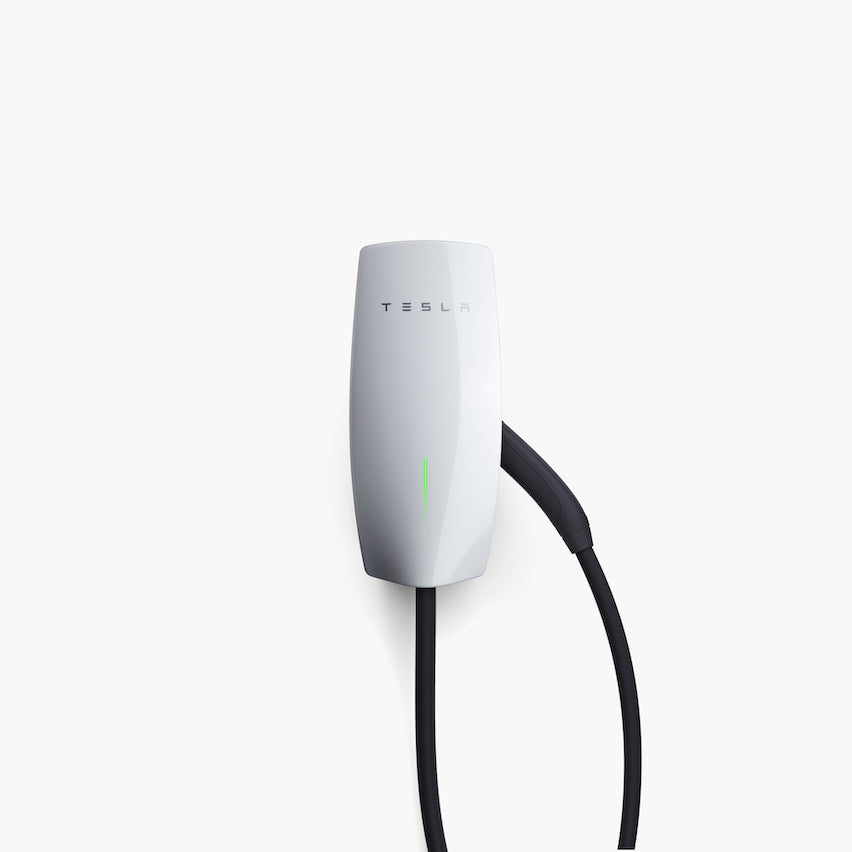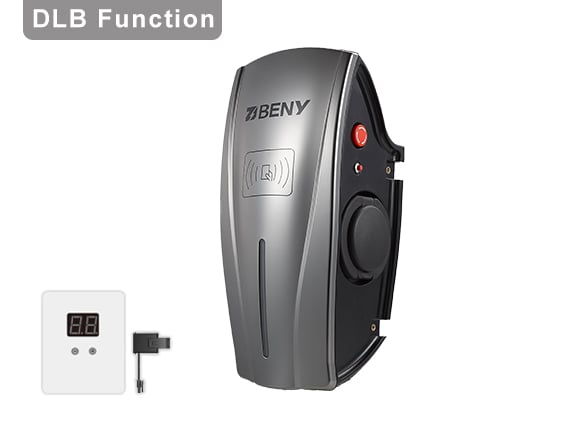
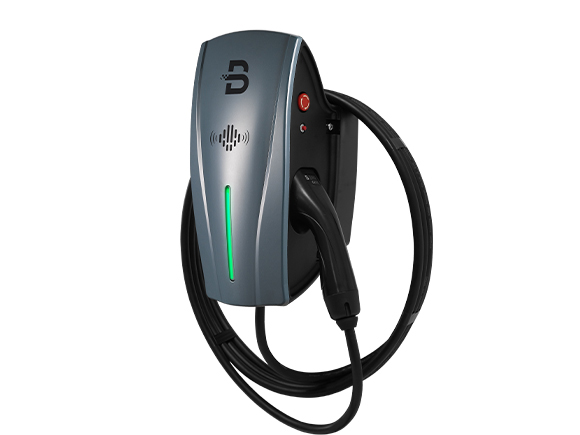
ZJ Beny Smart EV Charger 7kW

Strengths

  • βœ“ $700 - cheapest open OCPP EV charger sold in Australia
  • βœ“ Open OCPP 1.6 - integrates with Home Assistant and third-party platforms
  • βœ“ IP65 - suitable for outdoor installation including exposed positions
  • βœ“ 5m tethered Type 2 cable - no separate cable purchase needed
  • βœ“ App scheduling and monitoring

Watch out for

  • βœ— 2yr warranty - short for a daily-use device
  • βœ— China-based customer support - warranty claims handled overseas
  • βœ— No load management - no CT clamp monitoring
  • βœ— No solar diversion capability
  • βœ— Limited Australian service network or local spare parts

ZJ Beny

Smart EV Charger 7kW

7 kW 1-phase Level 2 EV charger with 5m tethered cable

$700 AUD

Model

Our Verdict

The ZJ Beny 7kW is the cheapest open OCPP-capable tethered charger in Australia at $700 - undercutting the Wallbox Pulsar Plus by $645 for comparable OCPP functionality. IP65 and a 5m cable are solid practical specs. The limitations are a 2-year warranty and China-based customer support infrastructure. For technically capable buyers who want open OCPP integration at minimum cost, it works. For buyers who want Australian warranty support and load management, the Evnex E2 Core or Wallbox Pulsar Plus are better investments.

7 kW1-phaseType 2TetheredIP65
Key Features
Max Output 7 kW
Phases 1-phase
Smart Charging Yes
Solar Integration Yes
App Control Yes
OCPP Yes
Specifications
Type
Level2-7kW
Max Output
7 kW
Phases
1-phase
Connector
Type 2
Tethered Cable
5m
Smart Charging
Yes
App Control
Yes
Solar Integration
Yes
Scheduling
Yes
Load Management
Yes
OCPP
Yes
IP Rating
IP65
Warranty
2 years
Installation
Licensed electrician
Compatible Vehicles
All Type 2 EVs
Warranty & Installation
βœ“

2-year warranty β€” contact the manufacturer or installer for full warranty terms.

βœ“

Professional installation required β€” must be installed by a licensed electrician under Australian wiring rules.

You might also consider

Overview

ZJ Beny doesn’t have brand recognition in Australia. What it has is a $700 open OCPP EV charger - and in a market where OCPP typically costs $1,300+, that’s a specification gap worth examining.

The unit delivers OCPP 1.6 open integration, IP65 outdoor rating, and a 5m tethered Type 2 cable. What it doesn’t deliver is load management, Australian warranty support, or the reassurance of a brand with established Australian service infrastructure. Whether that trade-off is acceptable depends entirely on the buyer.


Open OCPP at $700

The ZJ Beny 7kW is the cheapest open OCPP home EV charger available in Australia. For context:

ChargerPriceOCPP typeLoad management
ZJ Beny 7kW$700Open 1.6No
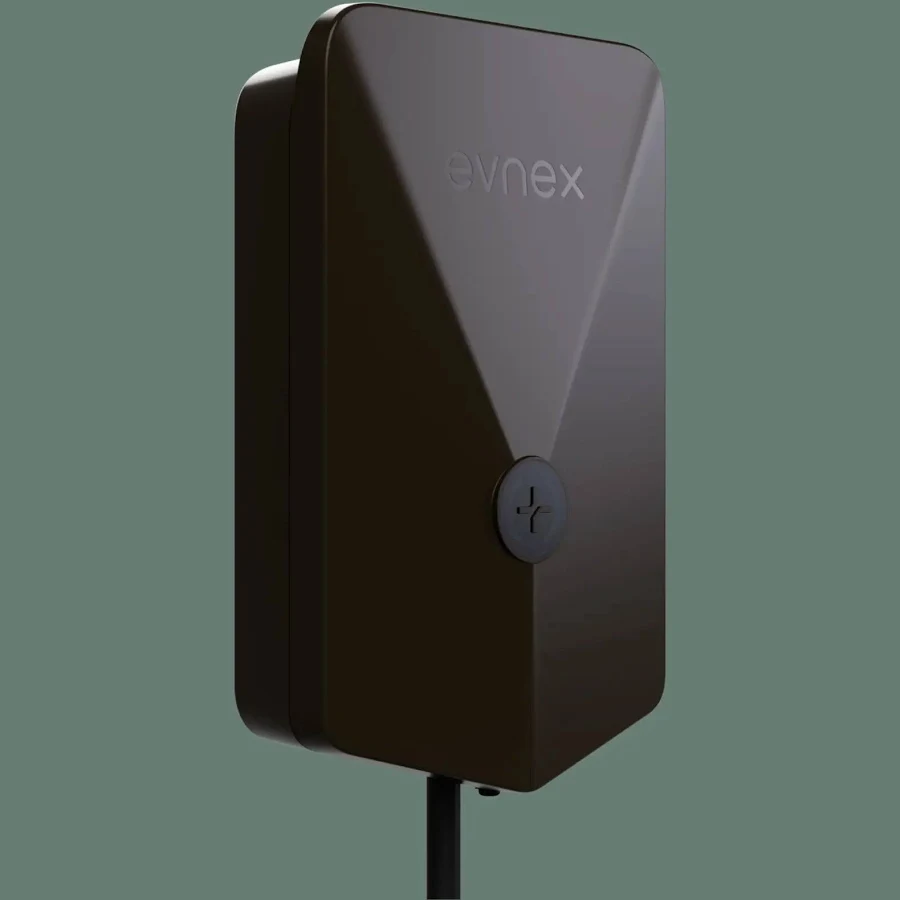
Evnex E2 Flex$799Closed (Evnex only)Yes
Wallbox Pulsar Plus 7kW$1,345Open 1.6Yes
Evnex E2 Core$999Closed (Evnex only)Yes

For a technically capable buyer running Home Assistant who wants to integrate charger management into a home automation system, the ZJ Beny provides the key capability at the lowest available price. The Wallbox Pulsar Plus at $1,345 is the alternative that adds load management and Australian brand support - for $645 more.


What open OCPP enables on the ZJ Beny

With the OCPP endpoint configured to a compatible backend:

  • Home Assistant: The OCPP integration (available in Home Assistant) can start, stop, monitor energy consumption, and set charge schedules. For HA users managing solar, battery storage, and EV charging in automation flows, this is the entry point.
  • Off-peak scheduling: OCPP-based schedule management for time-of-use tariff optimisation - charge between 11pm and 6am at off-peak rates.
  • Energy monitoring: Per-session kWh data accessible via OCPP, useful for tax reporting on work-related EV use.

No load management

The ZJ Beny has no CT clamp and no load management capability. For homes with limited main supply (older 40A or 60A boards) or heavy concurrent electrical loads, this creates switchboard overload risk.

Workarounds:

  • Set the charger’s maximum current to a lower value (e.g., 20A instead of 32A) - reduces maximum charge speed but prevents overload
  • Use the vehicle’s own scheduling to avoid charging during peak household load periods
  • Install a separate standalone load management device upstream

For homes with 63A or larger main supply and no unusual concurrent loads, the absence of load management is not a practical constraint. For older homes, it is.


Support and warranty: the honest picture

The 2-year warranty is processed through ZJ Beny’s Chinese distribution network. In practice:

  • Warranty claims may require shipping the faulty unit internationally
  • Replacement parts are not stocked by Australian distributors
  • Phone or email support operates on Chinese business hours

This is the primary reason the ZJ Beny is appropriate for technically capable buyers and not for buyers who want seamless warranty support. An installer familiar with the product can sometimes facilitate replacements faster, but there is no established AU service network.

If support and warranty confidence are priorities, the Evnex E2 Core at $999 (4yr warranty, Australian support) or the Wallbox Pulsar Plus at $1,345 (open OCPP, load management, Australian distributor) are better choices.


Who should buy the ZJ Beny 7kW

Best for:

  • Technically capable buyers who specifically need open OCPP for Home Assistant or energy management at the lowest possible cost
  • Buyers comfortable with the China-based warranty process
  • Properties with adequate main supply where load management isn’t needed
  • Price-constrained buyers who want OCPP over load management

Skip if:

  • Australian warranty support is important - choose Evnex, Wallbox, or Schneider
  • Load management is needed - the ZJ Beny has none; choose Wallbox Pulsar Plus or Evnex
  • Brand confidence and installer familiarity matter - less known than Evnex or Wallbox in AU installer circles
Frequently Asked Questions

01 Does the ZJ Beny 7kW have OCPP?

Yes. The ZJ Beny supports open OCPP 1.6, configurable to any OCPP backend. This includes integration with Home Assistant via the OCPP add-on. Unlike the Evnex range (which uses closed OCPP), the ZJ Beny's OCPP endpoint can be pointed at third-party platforms including Home Assistant, SolarEdge energy management, or commercial CPMS systems.

02 Is the ZJ Beny a good charger?

For price, yes. At $700 with open OCPP and IP65, it offers features that typically cost $1,300+ from European brands. The practical limitation is support: warranty claims go through a China-based process, spare parts availability in Australia is limited, and the installer network is not established. For buyers comfortable with that trade-off (technically capable users who can navigate warranty processes), it's a legitimate choice. For buyers who want Australian warranty service, the Evnex E2 Core at $999 or the Wallbox Pulsar Plus at $1,345 are better supported.

03 What is the installed cost of the ZJ Beny 7kW?

Supply price is $700. Professional installation adds $400–$650 depending on cable run and switchboard access. Total all-in is approximately $1,100–$1,350 - the lowest installed smart charger cost in Australia.

04 Does the ZJ Beny work with any EV?

Yes. It uses a standard Type 2 (IEC 62196) tethered cable and is compatible with all EVs sold in Australia that use a Type 2 inlet for AC charging.

05 ZJ Beny vs Evnex E2 Flex - which budget charger is better?

ZJ Beny 7kW ($700, tethered, open OCPP, no load management, 2yr warranty). Evnex E2 Flex ($799, socket-only, closed OCPP, load management, 4yr warranty). ZJ Beny wins on price and open OCPP. Evnex E2 Flex wins on warranty and load management (but requires your own Type 2 cable at $50–$100 extra). Choice depends on whether open OCPP or load management is the priority - they can't be had at the same price point.

06 Is ZJ Beny a reputable brand?

ZJ Beny is a Chinese manufacturer with a broader product range including DC fast chargers. Their residential 7kW units are used across Europe and Asia. The brand is not widely represented in Australian installer circles compared to Evnex, Wallbox, or myenergi - which means less installer familiarity and more limited local warranty support.