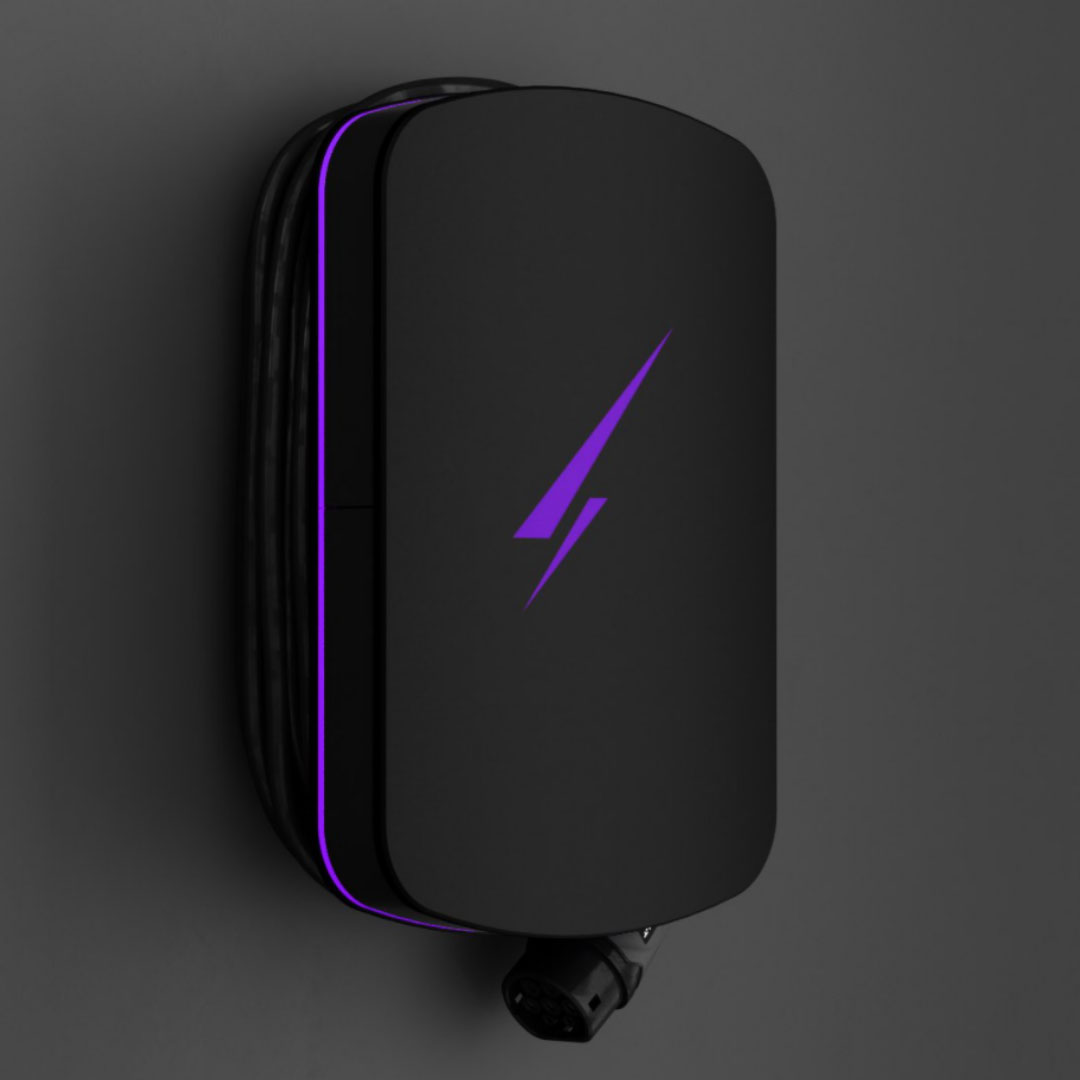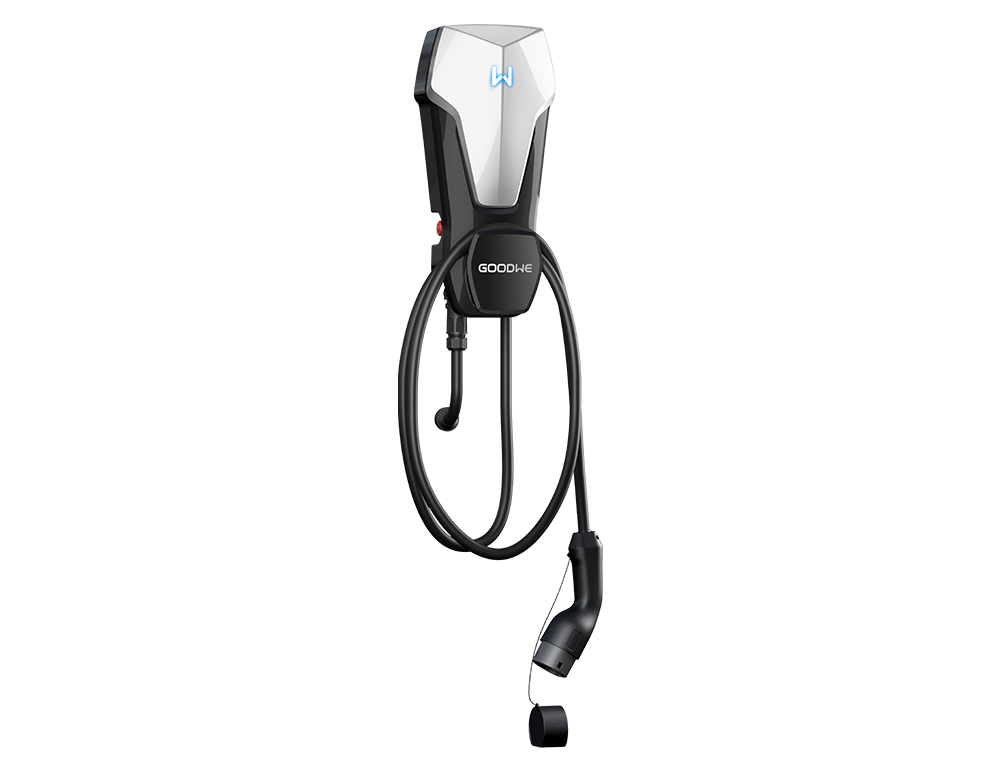
GoodWe HCA Series 7kW

Strengths

  • βœ“ IP66 - highest outdoor weatherproof rating of any charger at this price
  • βœ“ Solar integration via CT clamp - works with any inverter brand
  • βœ“ 6m tethered cable - generous reach
  • βœ“ $850 - competitive for a solar-capable unit
  • βœ“ Native GoodWe inverter integration - deeper functionality for GoodWe households

Watch out for

  • βœ— 2yr warranty - short, especially against Evnex's 4yr at $999
  • βœ— No OCPP - cannot integrate with Home Assistant or third-party platforms
  • βœ— No load management
  • βœ— GoodWe brand less established in AU EV charger market than Evnex or Wallbox

GoodWe

HCA Series 7kW

7 kW 1-phase Level 2 EV charger with 6m tethered cable

$1,300 AUD

Model

Our Verdict

The GoodWe HCA 7kW is the most affordably-priced solar-capable EV charger with IP66 outdoor protection in Australia. At $850 with a 6m cable and solar integration that works with any inverter (not just GoodWe), it competes directly with the ZJ Beny ($700, OCPP but no solar) and approaches the Evnex E2 Core territory ($999). The 2-year warranty is the main weakness. Strong choice for exposed outdoor installations where IP66 weatherproofing has real value, or for GoodWe inverter households wanting tighter native ecosystem integration.

7 kW1-phaseType 2TetheredIP65
Key Features
Max Output 7 kW
Phases 1-phase
Smart Charging Yes
Solar Integration Yes
App Control Yes
OCPP No
Specifications
Type
Level2-7kW
Max Output
7 kW
Phases
1-phase
Connector
Type 2
Tethered Cable
6m
Smart Charging
Yes
App Control
Yes
Solar Integration
Yes
Scheduling
Yes
Load Management
No
OCPP
No
IP Rating
IP65
Warranty
5 years
Installation
Licensed electrician
Compatible Vehicles
All Type 2 EVs
Warranty & Installation
βœ“

5-year warranty β€” contact the manufacturer or installer for full warranty terms.

βœ“

Professional installation required β€” must be installed by a licensed electrician under Australian wiring rules.

You might also consider

Overview

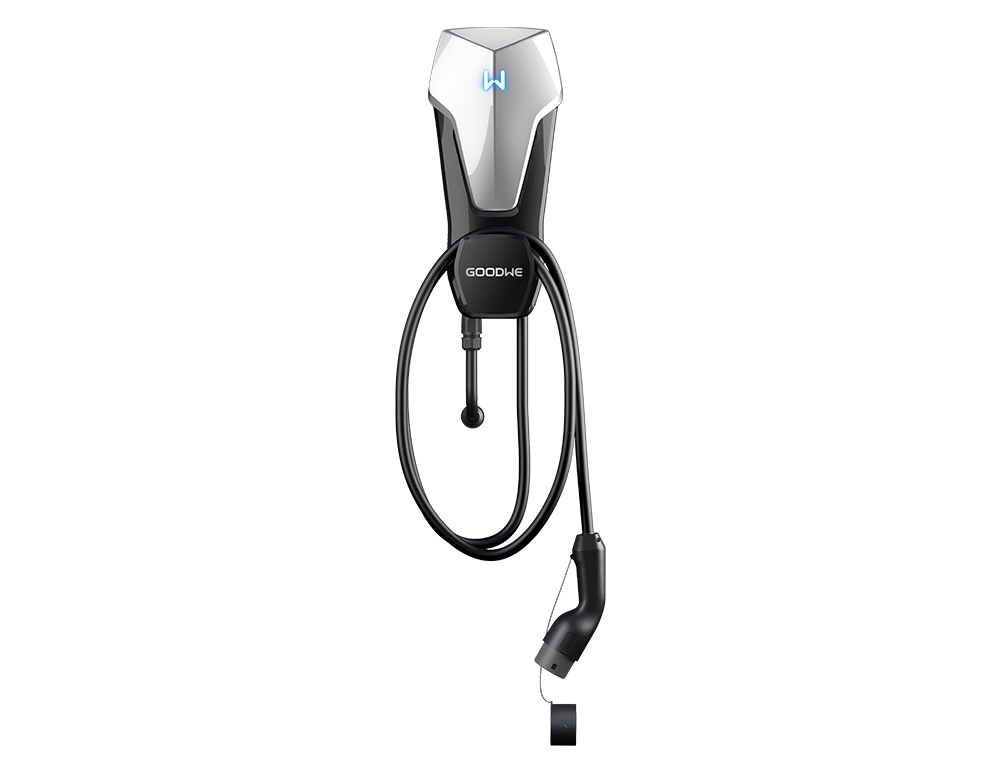
GoodWe is better known for solar inverters than EV chargers, but the HCA series represents a credible entry into the residential charger market. The 7kW model’s standout specification is IP66 - the highest weatherproof rating in the sub-$1,000 charger segment, and one of the highest available in Australian residential chargers at any price.

At $850 with solar integration and a 6m cable, the GoodWe HCA positions itself between the ZJ Beny 7kW ($700, OCPP but no solar) and the Evnex E2 Plus ($1,299, solar + OCPP + load management). The 2-year warranty is the clear weakness; everything else holds up.


IP66: what it actually means for installation

IP ratings use two digits: the first for dust protection (6 = total), the second for water protection (6 = powerful water jets from any direction). IP66 is one step above IP65 (water jets from any direction) and substantially above the IP54 (water splashes) on the Wallbox Pulsar Plus.

In practice for Australian installations:

IP54/IP55 is adequate for: covered outdoor positions (under an eave, in a carport with a roof), indoor garages, or protected wall positions.

IP65 is adequate for: most outdoor wall positions, including some exposed positions.

IP66 handles: fully exposed outdoor installations where rain can hit the unit directly from any angle - typical of wall-mounted chargers on exterior house walls without protective eaves, or installations facing prevailing weather.

For the majority of Australian residential installations (covered carport, indoor garage), IP54 is sufficient. For exposed outdoor installations, IP66 provides the margin.


Solar integration: CT clamp works with any inverter

Like the Zappi and E2 Plus, the GoodWe HCA uses a CT clamp at the switchboard for solar integration. This is inverter-agnostic - it reads whole-home energy flow regardless of inverter brand.

For households with GoodWe inverters, the HCA adds native SEMS app integration: the charger and inverter data appear in the same platform, and the system can coordinate charging against battery state and solar production with more granularity than CT-clamp-only approaches allow.

For households with other inverter brands (Fronius, SolarEdge, Sungrow, Enphase), the CT clamp method still enables solar-optimised charging - just without the GoodWe-native coordination layer.


The warranty gap

2-year warranty on a charger expected to manage daily charging sessions for 10+ years is a meaningful gap. Evnex’s 4-year warranty at $999 is the direct comparison - $149 more for the Core, 4m less cable reach, load management added, IP65 vs IP66.

The 2-year GoodWe warranty is standard for Chinese charger brands and not a reason to avoid the product per se - it means elevated risk in years 3–5 if a component fails. For a buyer who weighs the $149 price difference against the 2yr vs 4yr warranty difference, the Evnex E2 Core is the rational upgrade if solar integration isn’t the priority.


GoodWe HCA 7kW comparison table

GoodWe HCA 7kWZJ Beny 7kWEvnex E2 CoreEvnex E2 Plus
Price$850$700$999$1,299
SolarYesNoNoYes
OCPPNoOpen 1.6Closed 1.6Closed 1.6
Load mgmtNoNoYesYes
IPIP66IP65IP55IP55
Warranty2yr2yr4yr4yr
Cable6m5m6m6m

Who should buy the GoodWe HCA 7kW

Best for:

  • Households with GoodWe solar inverters who want native SEMS ecosystem integration
  • Buyers who need IP66 weatherproofing for fully exposed outdoor installation
  • Solar households wanting a budget solar EV charger without paying for OCPP
  • Buyers where $150 saving over the Evnex E2 Core matters and load management isn’t needed

Skip if:

  • Warranty length matters - the Evnex E2 Core’s 4yr cover is substantially better for $149 more
  • OCPP is needed - the GoodWe has none; use ZJ Beny or Wallbox
  • Load management is required - GoodWe HCA has none
  • Non-GoodWe inverter and native integration is the goal - the CT clamp works, but the GoodWe ecosystem advantage disappears
Frequently Asked Questions

01 Does the GoodWe HCA work with solar inverters other than GoodWe?

Yes. The CT clamp-based solar integration monitors whole-home energy flow at the switchboard and is inverter-agnostic. It works with Fronius, SolarEdge, Sungrow, Enphase, and any grid-connect inverter. The advantage of a GoodWe inverter is native ecosystem integration (deeper app data, coordinated management) - but the solar charging feature itself works with any brand.

02 What does IP66 mean, and why does it matter?

IP66 means the unit is protected against dust ingress (complete protection) and powerful water jets from any direction. This is the highest outdoor rating of any residential EV charger at this price point. By comparison: IP55 (Tesla Wall Connector) provides protection against water jets; IP54 (Wallbox Pulsar Plus) provides water splash protection only. IP66 matters for fully exposed outdoor installations without roof shelter - wall-mounted on an exterior wall facing weather.

03 What is the total installed cost of the GoodWe HCA 7kW?

Supply price is $850. Professional installation including CT clamp fitting adds $400–$650. Total all-in is approximately $1,250–$1,500. This is comparable to the ZJ Beny 7kW installed ($1,100–$1,350) and cheaper than the Evnex E2 Core installed ($1,400–$1,700).

04 GoodWe HCA 7kW vs Evnex E2 Core - which should I buy?

GoodWe HCA 7kW ($850): solar integration, IP66, 6m cable, 2yr warranty, no OCPP. Evnex E2 Core ($999): load management, OCPP, IP55, 6m cable, 4yr warranty, no solar. If solar integration or IP66 is the priority, GoodWe. If load management, OCPP, or warranty length is the priority, Evnex E2 Core.

05 Does the GoodWe HCA have OCPP?

No. The GoodWe HCA 7kW does not support OCPP. App-based scheduling and solar mode control are available via the GoodWe SEMS portal, but integration with third-party platforms like Home Assistant requires a separate workaround. For OCPP integration, the ZJ Beny ($700) or Wallbox Pulsar Plus ($1,345) are the alternatives.

06 Is the GoodWe HCA available in a socket-only (untethered) version?

Yes. The HCA series is available in tethered (6m cable) and socket configurations. The 7kW review here covers the tethered version. The socket version is priced slightly lower and suits buyers who prefer using their own Type 2 cable.