Gridly
Overview
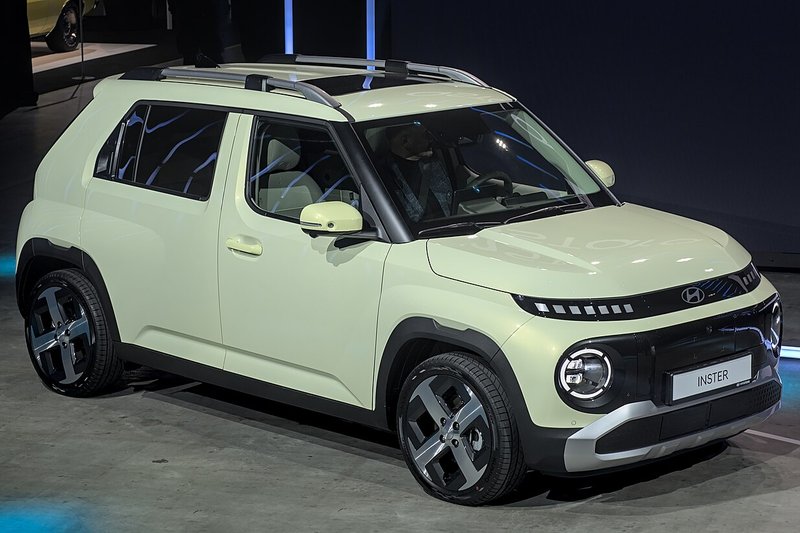
The Inster is Hyundai’s answer to a genuine gap in the Australian EV market: an affordable, small electric car designed for city use, sold by a brand with a functional dealer and service network. In most global markets, this segment is crowded. In Australia, credible options at this price point have been limited - cheap EVs have either come from brands with limited service infrastructure or carried specifications that made the price feel appropriate for the wrong reasons.
The Inster Standard uses a 49kWh battery in a compact hatchback body with a slight crossover stance. It supports 120kW DC charging - faster than many more expensive EVs - and comes with V2L capability and a five-year unlimited-kilometre warranty. For a buyer whose daily driving is metropolitan and whose budget is constrained, the Inster Standard represents a threshold being crossed: an EV that costs what a conventional small car costs, with running cost advantages that compound over time.
Pricing & Variants
| Variant | Battery | WLTP Range | DC Charging | Price |
|---|---|---|---|---|
| Inster Standard | 49kWh | ~355 km | 120kW | ~$32,900 |
| Inster Cross | 49kWh | ~355 km | 120kW | ~$35,900 |
The Inster Cross adds a slightly raised stance and crossover styling elements over the same drivetrain. The price difference is $3,000 for aesthetics rather than capability.
Performance
97kW and 147Nm from the front motor. The 11-second 0-100 time establishes this as urban transport rather than a car for spirited driving. In city conditions, EV torque from rest makes it feel nimble - traffic gaps are taken without hesitation, and 0-60 km/h response is quicker than a conventional small hatch of similar power. On the freeway, merging is manageable but requires anticipation.
The compact 2,580mm wheelbase means the Inster is genuinely manoeuvrable in dense city environments. Turning radius is small, parking is straightforward, and the dimensions suit multi-storey car parks and tight urban spaces that cause anxiety in larger vehicles.
Range and Charging
355km WLTP translates to approximately 270 to 310km in Australian driving. For a car intended for metropolitan use, this easily covers a week of commuting - typical Australian commutes average 30 to 40km return, which the Inster handles on a charge for multiple days between sessions.
The 120kW DC charging rate is notably fast for a car of this size and price. At a compatible DC station, 10 to 80 per cent takes approximately 30 minutes. This is materially faster than the Kona SR’s AC-only charging and competitive with EVs at significantly higher price points. AC home charging at 11kW takes approximately 5.5 hours.
V2L standard - 3.6kW exterior output.
Interior and Technology
The Inster’s interior is honest about what it is. Materials are functional - hard-touch in many areas, with upholstery that is durable rather than premium. A 10.25-inch infotainment screen handles navigation and media. Physical rotary climate controls sit below the screen.
Rear seating is best described as occasional - two adults can sit there for short trips, but the compact dimensions make it tight for anyone over 170cm. The car is functionally a two-seat vehicle with emergency rear seats, which is accurate for most solo commuter use cases.
Five-star NCAP safety rating (Euro NCAP equivalent). Standard active safety includes Forward Collision-Avoidance and Lane Keeping Assist.
Practicality
Boot: 280L - workable for weekly shopping and a bag or two, not for luggage-heavy travel. No frunk.
The Inster is practical for urban living and genuinely limited for anything beyond it. That scope is honest and the car delivers within it.
Running Costs and Ownership
At $0.30/kWh, approximately $4.00 per 100km in city driving. Five-year unlimited-km warranty. Annual servicing cost typically $180-$280 - lower than larger EVs due to the simpler drivetrain.
The FBT exemption applies below the luxury car tax threshold, and the Inster qualifies. For eligible employees, novated lease calculations are particularly favourable at this price point.
Verdict
The Inster Standard justifies the attention it generates: a credibly specified city EV at a price that competes with conventional small cars. 120kW DC charging at this price point is a deliberate specification decision that demonstrates Hyundai takes the ownership experience seriously. For urban commuters who charge at home, the running cost advantage over a petrol small car compounds meaningfully over three to five years. The rear seat and boot limitations are real - this is a city car, and it should be evaluated as one.
Frequently Asked Questions
Is the Hyundai Inster good for tall drivers?
The front seat adjusts adequately for drivers up to approximately 190cm. The rear seat is not practical for adults over 165cm on any regular basis.
How does the Hyundai Inster compare to the BYD Dolphin?
The BYD Dolphin Essential (~$34,990) is larger in every dimension, offers more rear legroom, and has a 420km WLTP range on its 44.9kWh battery. The Inster Standard is smaller, cheaper, and charges faster (120kW vs 88kW DC). Both carry five-year warranties (Hyundai unlimited km; BYD 150,000km cap). For buyers who regularly carry passengers, the Dolphin is more practical; for solo urban commuters, the Inster’s smaller footprint is an advantage.