Gridly
Overview
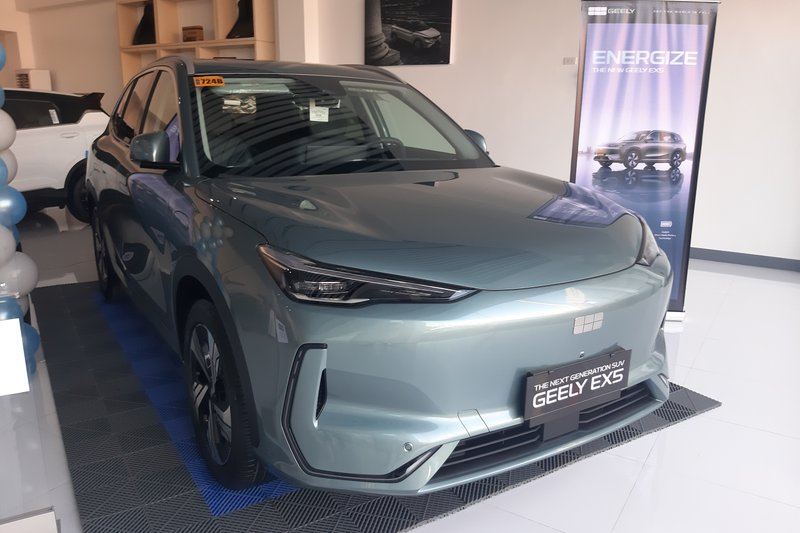
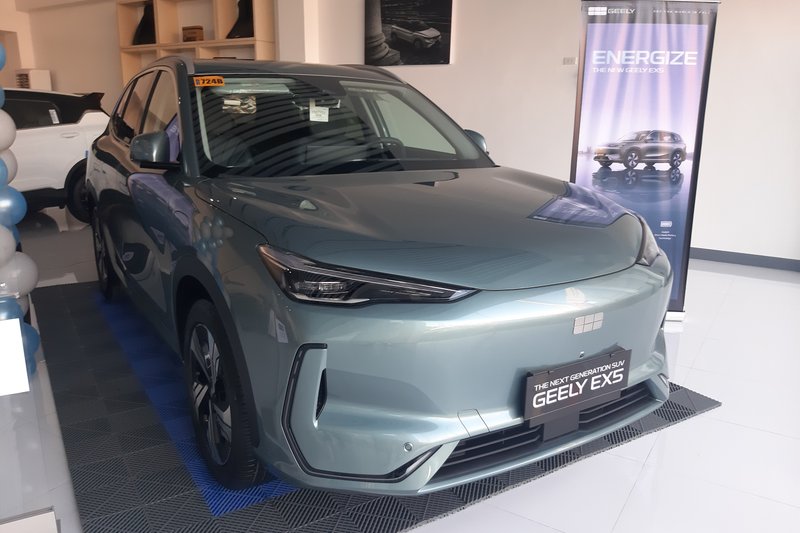
The Geely Starray EM-i is one of the most practical family vehicles in Australia’s growing PHEV segment - a seven-seat plug-in hybrid SUV that combines the space and flexibility of a large family vehicle with the fuel-saving credentials of a plug-in hybrid drivetrain. Where most PHEVs in Australia are five-seat SUVs, the Starray EM-i offers a third row of seating without sacrificing the electric driving range that makes a PHEV worthwhile.
Priced at $49,990 in Complete specification, the Starray EM-i Complete targets buyers upgrading from petrol people-movers and seven-seat SUVs. Its 18.3kWh battery delivers 120km of WLTP electric-only range - one of the longest EV ranges in the PHEV SUV segment regardless of seating configuration, and sufficient to cover most Australian school-run and commuting patterns entirely on electricity. Combined with the petrol engine, total range extends to well over 1,000km.
Geely’s parentage of Volvo and Polestar provides the Starray EM-i with engineering credibility beyond its price position. The EM-i hybrid system’s 120km electric capability reflects Geely Group’s investment in extended-range PHEV architecture - a more substantial battery and more sophisticated power management than entry-level PHEV competitors who manage 40–60km of electric range.
Pricing & Variants
| Variant | Seats | EV Range | DC Charge | Price |
|---|---|---|---|---|
| Starray EM-i Inspire | 7 | 120 km | 50 kW | $44,990 |
| Starray EM-i Complete | 7 | 120 km | 50 kW | $49,990 |
Both variants share the same PHEV drivetrain, battery, and charging hardware. The $5,000 premium for the Complete reflects interior specification and technology additions.
Performance
The Starray EM-i Complete uses a combined petrol-electric drivetrain in FWD configuration. System output provides adequate performance for a seven-seat family SUV, with 0–100 km/h rated at 7.3 seconds - quick for a vehicle of this size and seating capacity. Top speed is 175 km/h. The electric motor’s instant torque improves low-speed responsiveness compared to equivalent petrol-only seven-seat SUVs, particularly noticeable in stop-start traffic.
FWD is the only available drivetrain option. For the majority of seven-seat family buyers who use the vehicle primarily on sealed roads for school runs, shopping, and interstate highway travel, FWD is entirely adequate. Light off-road or all-weather traction will be a limitation for some.
Range and Charging
The 18.3kWh battery delivers 120km of WLTP electric-only range - a genuinely useful figure in Australian family use. Real-world electric range in suburban driving is approximately 95–110km, which covers most school runs, shopping trips, and daily commuting without petrol consumption. For a family with children at school within 20km and a parent commuting up to 30km each way, the majority of weekday driving can be completed on electricity.
When the battery is depleted, the Starray operates as a hybrid with an estimated fuel consumption of 6.5–7.5L/100km. With a full fuel tank, total range exceeds 1,000km - eliminating the need for charger planning on long-distance family trips.
DC fast charging is supported at up to 50kW via CCS - a meaningful advantage over many PHEV competitors that are AC-only. A 10–80% charge on the 18.3kWh battery at 50kW takes approximately 20 minutes. AC charging via Type 2 runs at 6.6kW single-phase, providing a full charge from flat in approximately 3 hours on a home wallbox.
Interior and Technology
The Complete specification delivers a family-optimised cabin with seven seats across three rows. The third row is suitable for children and occasional adult use, with access via folding second-row seats. The interior layout prioritises family function: large door pockets, accessible charging points for multiple devices, and a boot that remains usable with the third row in place.
The Complete’s elevated specification over the Inspire includes: enhanced seat materials, a panoramic glass roof, a larger central touchscreen (confirm current size with Geely Australia), premium audio, and additional ambient lighting. Wireless Apple CarPlay and Android Auto are standard. ADAS includes adaptive cruise control, automatic emergency braking, lane departure warning, blind spot monitoring, and rear cross-traffic alert.
Practicality
Seven seats make the Starray EM-i one of the more practical vehicle choices in the PHEV segment. Boot space behind the third row is approximately 120L - limited but adequate for light loads; with the third row folded, approximately 450L is available. The second and third rows fold for maximum cargo capacity when family transport isn’t needed.
Towing is rated at 1,500kg braked - sufficient for a small boat, box trailer, or light camper trailer. This matches the BYD Sealion 6 PHEV and exceeds the Toyota RAV4 PHEV (1,300kg) in a seven-seat configuration. No V2L or V2H capability.
Safety
Geely’s safety engineering standards, informed by Volvo Group membership, are reflected in the Starray EM-i’s platform. Six airbags are standard, along with AEB, lane centring, and driver fatigue monitoring. Confirm ANCAP testing status on the ANCAP website as the model was recently introduced. The structural platform meets Geely Group’s internal safety standards aligned with international NCAP requirements.
Running Costs and Ownership
For a buyer commuting 100km daily within the 120km electric range: daily electricity cost is approximately (18.3 kWh × $0.30) = $5.49 for 120km of travel - approximately $4.58/100km on pure electric. This compares favourably with a 7-seat petrol SUV consuming 9L/100km at $2.10/L ($18.90/100km).
Annual savings versus a petrol seven-seat SUV for a buyer covering 15,000km (80% electrically) are approximately $3,500–$4,000 at current fuel and electricity rates. Factoring in home solar at below-grid electricity rates, the savings increase further.
Geely’s 4-year/160,000km warranty applies. Battery warranty covers retention to 70% over the term. Confirm local Geely dealer and service access before purchase.
Verdict
The Geely Starray EM-i Complete is the most practical PHEV for large Australian families. Seven seats, 120km electric range, 50kW DC charging, and Geely Group engineering standards at $49,990 deliver a compelling proposition in a segment where most competitors either lack a third row or offer significantly shorter electric range.
The 4-year warranty and developing Australian dealer network are the genuine limitations, and FWD restricts all-weather versatility. For urban-to-regional family buyers who charge at home and want to minimise fuel costs on the daily school and commute runs while retaining full petrol flexibility on long-distance trips, the Starray EM-i Complete is difficult to match at this price.
Frequently Asked Questions
Is 120km of EV range realistic for a seven-seat PHEV?
Yes. The Starray EM-i’s WLTP figure is measured with all seats occupied and standard load. Real-world range in Australian suburban driving with typical family loads is approximately 95–110km. For most family school-run and commuting patterns, the majority of weekday driving falls within this range.
How does the Starray EM-i Complete compare to the Kia Carnival PHEV?
The Kia Carnival PHEV is not currently sold in Australia. The Starray EM-i effectively occupies the large family PHEV space without direct competition in the local market. Its closest competitors are the Outlander PHEV (5 seats) and the BYD Sealion 6 (5 seats), both of which lack the third row.
Does the Starray EM-i work well for long-distance travel?
Yes. When the battery is depleted, the petrol engine operates in hybrid mode with estimated consumption of 6.5–7.5L/100km - efficient for a seven-seat vehicle. Total range with a full fuel tank exceeds 1,000km. For long-distance family trips, it functions as a conventional hybrid once the electric range is used, with no need for charger planning beyond the comfort of any available stop.