Gridly
Overview
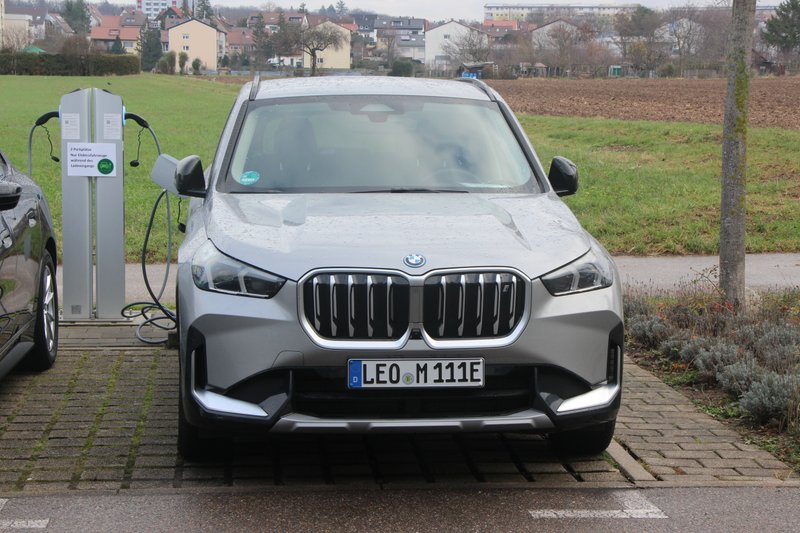
The BMW iX1 xDrive30 is the performance AWD variant of BMW’s compact electric SUV - a vehicle that combines the iX1’s genuine BMW driving dynamics and premium interior with a dual-motor all-wheel drive system capable of 5.6-second 0–100 km/h acceleration. It is positioned as the choice for iX1 buyers who prioritise wet-weather confidence and performance over the eDrive20’s lower entry price.
The iX1 platform was developed as an electric-first product alongside the combustion X1, sharing its exterior body and many interior components but engineered from the outset with a specific electric underbody structure. This gives the iX1 xDrive30 the practical usability of a well-established compact premium SUV while delivering BMW’s characteristic driving dynamics in an electric format.
At $84,900, the xDrive30 is one of BMW’s most accessible EVs in Australia and one of the most competitively priced premium compact SUVs in the electric category. The Volvo C40 Recharge Twin Motor, Mini Aceman E AWD, and Genesis GV60 Sport offer comparable AWD performance at nearby price points - each with different character.
Pricing & Variants
| Variant | Drive | Battery | Range | 0–100 | Price (AUD) |
|---|---|---|---|---|---|
| iX1 eDrive20 | FWD | 67 kWh | ~440 km | 8.6 s | ~$74,900 |
| iX1 xDrive30 | AWD | 67 kWh | 440 km | 5.6 s | $84,900 |
The xDrive30 commands approximately $10,000 over the eDrive20 for the second motor, AWD system, and 3.0-second 0–100 improvement. WLTP range is essentially unchanged - the AWD mass increase is partially offset by combined motor efficiency in mixed-cycle testing. For buyers who frequently drive in wet conditions or want the performance upgrade, the $10,000 premium is straightforward to justify.
Performance
Two electric motors - one front, one rear - produce a combined 230 kW and 494 Nm through BMW’s xDrive torque management. The 5.6-second 0–100 km/h time is achieved through optimised front-rear torque split, launching with predominantly rear-drive character while the front motor provides additional traction when needed. The result is meaningfully quicker than the eDrive20’s 8.6 seconds while maintaining BMW’s characteristic progressive throttle delivery.
Top speed is 180 km/h - lower than the i4 and i5 sedans but appropriate for a compact SUV. The xDrive30’s suspension is tuned to BMW’s sport-biased compact SUV character: firm enough to maintain composure through corners, compliant enough for urban Australian road surfaces. Adaptive suspension is not available on the iX1 - the fixed-rate setup is well-calibrated but less adjustable than the iX range above it.
Range and Charging
The 67 kWh battery (approximately 64.7 kWh usable) delivers 440 km WLTP. Real-world highway range at 110 km/h is approximately 345–385 km in mild conditions - adequate for city-to-city driving with a recharge stop on longer routes. The iX1 xDrive30’s range is primarily suited to metropolitan and suburban daily use, with highway touring possible but requiring more frequent DC stops than the longer-range iX and i5.
DC fast charging is rated at 130 kW on CCS2. A 10–80% charge covers approximately 45 kWh and takes approximately 30 minutes at peak speed. This is adequate for practical use but trails the 175–205 kW of larger BMW EVs and falls well short of the 250–350 kW available on 800V Korean and Hyundai Group platforms. AC charging is 11 kW three-phase (7.4 kW on single-phase home installations), with a full charge taking approximately 6.5 hours on a three-phase wallbox.
Interior and Technology
The iX1 interior is a significant step up from the combustion X1 in terms of technology integration, while maintaining the compact premium SUV usability of the underlying platform. The curved iDrive display unit - 10.7-inch instrument cluster and 10.25-inch touchscreen - is smaller than the larger iX and i5 units but logically organised and responsive.
Standard Australian specification includes heated front seats, a panoramic glass roof, wireless CarPlay and Android Auto, a Harman Kardon sound system (upgraded from the standard 6-speaker system), and BMW’s Driving Assistant Professional ADAS package. The interior quality is consistent with BMW’s compact premium positioning - soft-touch materials on primary surfaces, well-executed switchgear, and the BMW design language applied to a compact footprint.
Practicality
Five seats with adequate rear legroom for adults - the compact SUV proportions mean the iX1 prioritises practicality over rear passenger luxury. Boot volume is 490 litres - a competitive result for the class, matching the Golf-class SUV benchmark. Under-floor storage accommodates the charging cable. A front compartment provides modest additional storage.
Towing capacity is rated at 750 kg - adequate for a small trailer or bike rack but well below the iX range’s 2,500 kg. V2L and V2H are not available. The iX1 xDrive30 is a practical urban and suburban SUV; buyers who need significant towing capability should consider the iX or i5 eDrive40 instead.
Safety
BMW’s Driving Assistant Professional is standard on Australian xDrive30 models, providing adaptive cruise control with lane-centring, forward collision warning with autonomous emergency braking, blind spot monitoring, rear cross-traffic alert, pedestrian and cyclist detection, and lane departure warning. The suite is comprehensive for the class.
Parking Assistant with reverse camera is standard; surround-view cameras are available as an option. The iX1 received a five-star Euro NCAP safety rating under 2022 protocols, with strong results in the adult occupant, child occupant, and safety assist categories.
Running Costs and Ownership
At $0.30 per kWh, the iX1 xDrive30 costs approximately $4.57 per 100 km on home charging - calculated as (67 ÷ 440) × 100 × 0.30. This is competitive for a premium compact AWD SUV, with annual savings of approximately $2,500–3,000 over a comparable petrol X1 xDrive at current fuel prices.
BMW Australia’s three-year warranty applies with no stated kilometre limit. The iX1 is BMW’s highest-volume EV in Australia and dealer familiarity is well-established. Scheduled servicing follows BMW’s Condition Based Servicing system; the absence of oil changes and reduced brake wear through regenerative braking lower routine maintenance costs versus the combustion X1.
Verdict
The BMW iX1 xDrive30 is a well-rounded compact premium electric SUV that delivers BMW’s driving character, a genuine premium interior, and dual-motor AWD at a price that makes it one of the more accessible BMW EVs available in Australia. The 5.6-second 0–100, 440 km WLTP range, and wireless CarPlay cover the key bases for metropolitan daily use.
The 130 kW DC charging limitation and three-year warranty are the recurring BMW EV constraints, and at $84,900 the Korean alternatives offer more charging speed, longer warranties, and V2L capability. The iX1 xDrive30 is the right choice for buyers who want the BMW compact SUV experience - the driving dynamics, the interior quality, the brand identity - in an electric format, and for whom the BMW-specific qualities justify the premium over more specification-rich alternatives.
Frequently Asked Questions
How does the BMW iX1 xDrive30 compare to the Kia EV6 GT-Line AWD?
The EV6 GT-Line AWD ($71,900) is approximately $13,000 cheaper, offers 800V charging up to 240 kW, a longer 7-year warranty, and V2L capability. The iX1 xDrive30 responds with BMW’s driving dynamics, a more premium interior environment, and the brand experience. The EV6 is the rational value choice; the iX1 is chosen for BMW-specific reasons.
Is the iX1 xDrive30 suitable for a family of four?
Yes. The iX1 xDrive30 comfortably seats four adults and manages a fifth at a pinch. The 490-litre boot handles a pram, school bags, and weekly shopping without difficulty. For families making occasional longer trips, the 440 km WLTP range covers most Australian weekend drive destinations; highway charging stops are needed for longer interstate journeys.
Can the BMW iX1 charge on a standard home power outlet?
Yes, but slowly. On a standard Australian 10A household outlet, charging speed is approximately 2.2 kW - a full charge from near-empty takes over 30 hours. BMW recommends installing a dedicated 7.4 kW single-phase or 11 kW three-phase wallbox for home charging, which reduces a full charge to 6.5–9 hours. BMW’s Charging Wallbox and installation service is available through BMW dealers Australia-wide.