Gridly
Overview
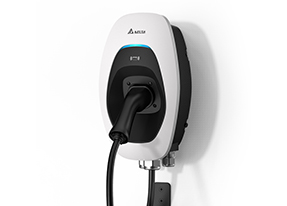
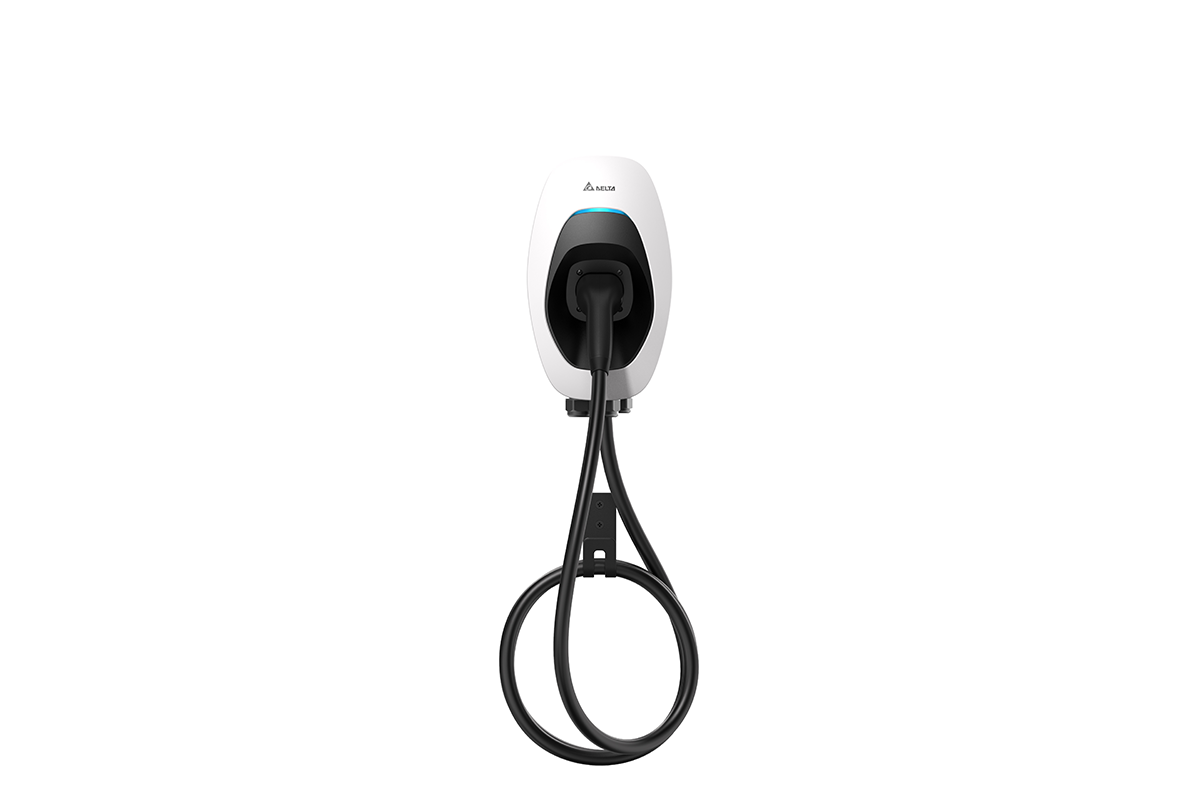
Delta Electronics is a global power electronics company - their products include commercial EV chargers across Europe and Asia, industrial power conversion, and data centre infrastructure. The AC MAX 7kW is their residential offering: a well-built, compact unit with solar integration and RFID access control.
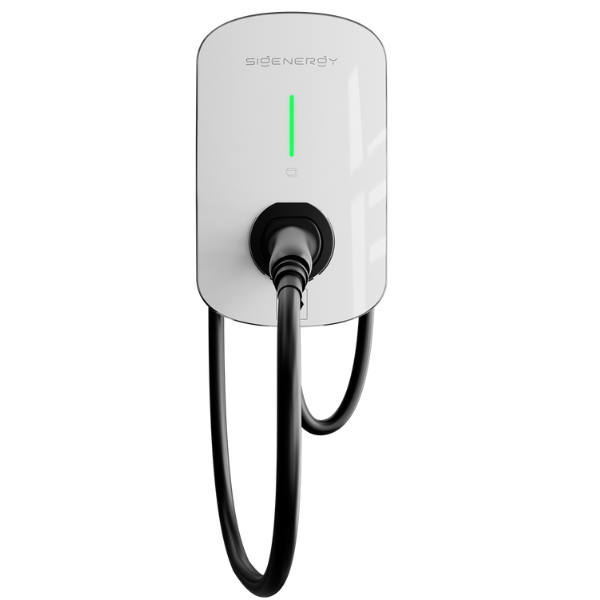
At $1,495, it costs more than the Zappi 7kW ($1,350) for a solar charger without the Zappi’s proven Eco/Eco+ solar modes, and more than the Sigenergy 7kW ($1,200) for a feature set that includes solar and RFID but not OCPP.
The Delta’s case rests on brand confidence (Delta’s commercial heritage), the RFID access feature, and compact physical dimensions for tight installation spaces.
Solar integration
CT clamp-based solar surplus monitoring works with any inverter brand - same fundamental approach as the Zappi and GoodWe HCA. The Delta AC MAX tracks surplus generation and adjusts charge rate accordingly. Where it differs from the Zappi: the mode system is simpler - no named Eco/Eco+ distinction, no configurable minimum boost current threshold.
For most households, the simplification is fine. For households who want precise control over the minimum grid draw during solar charging, the Zappi’s granularity is superior.
RFID access
The RFID card reader adds session authentication - useful for shared driveways, small business premises, or apartments where charger access should be restricted. Delta supplies an RFID card with the unit; additional cards can be enrolled via the app.
Who should buy the Delta AC MAX 7kW
Best for:
- Buyers who want solar integration + RFID access control in a single unit
- Delta-familiar buyers from commercial contexts
- Compact installation spaces where Delta’s small form factor helps
Skip if:
- Solar mode depth matters - the Zappi’s Eco/Eco+ system is more configurable at $145 less
- OCPP is needed - Sigenergy 7kW or Wallbox Pulsar Plus
- Load management is required - Delta lacks it; Sigenergy or Wallbox have it