Gridly
Overview
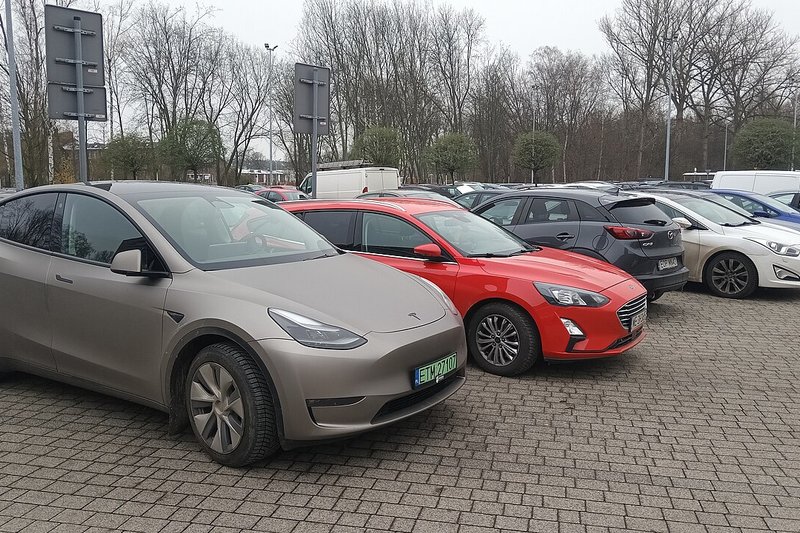
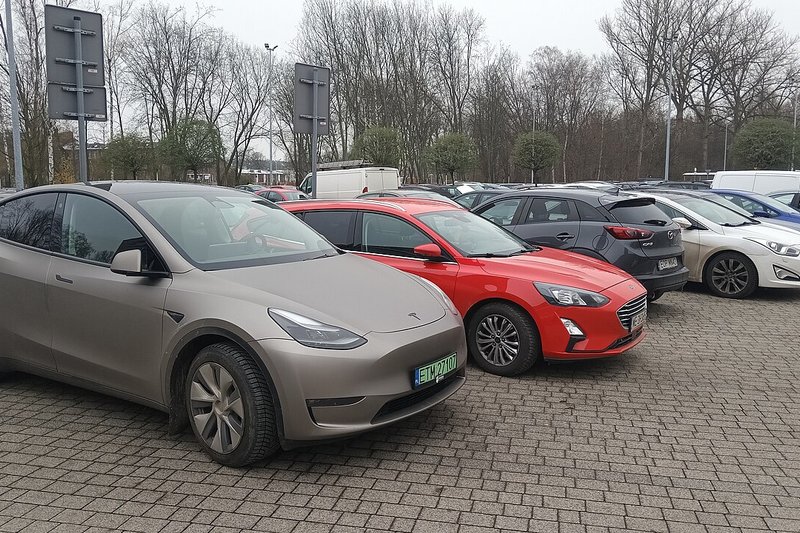
Australia’s best-selling electric vehicle is not a sedan or a compact hatchback - it is a mid-size SUV. The Tesla Model Y has held the top or near-top position in Australian EV sales since 2022, and the RWD variant is the volume driver behind those numbers. At $58,900 before on-road costs, it offers the SUV body style, Tesla’s Supercharger infrastructure, and the full Highland interior refresh at the lowest entry point in the Model Y range.
The RWD trades range for accessibility. Against the Long Range AWD at $75,900, buyers save $17,000 but give up AWD traction, 165km of WLTP range, and 80kW of DC charging speed. For a family doing school runs and weekend trips within 300km, none of those compromises are meaningful. For a buyer planning regular interstate travel, they are.
The Highland refresh brought the same improvements to the Model Y that it delivered to the Model 3: revised exterior panels, improved interior materials, ambient lighting, rear passenger screen, and better acoustic insulation. The changes addressed the main quality criticisms of pre-2024 builds.
Pricing & Variants
| Variant | Drive | WLTP Range | 0–100 km/h | Price (before ORC) |
|---|---|---|---|---|
| Model Y RWD | RWD | 455 km | 5.9s | $58,900 |
| Model Y Long Range AWD | AWD | 622 km | 5.0s | $75,900 |
| Model Y Performance AWD | AWD | 580 km | 3.5s | $89,400 |
Performance
A single rear motor with 220kW output drives the RWD. The 5.9-second 0–100 time is respectable for a family SUV - sharper than most petrol equivalents and immediately responsive from rest. The car does not pretend to be a performance vehicle; it is a practical SUV that happens to be quick enough.
At highway speeds the Model Y is settled. The Highland’s door seals and acoustic glass reduce road intrusion. The raised seating position provides the driving command typical of SUVs. The ride is firm but not punishing - the battery’s floor-mounted position lowers the centre of gravity and improves body control compared to traditional SUV platforms.
RWD on wet roads requires appropriate awareness. Stability control is effective, but buyers in consistently wet climates or who frequently encounter loose surfaces would benefit from the AWD variants.
Range and Charging
At 110 km/h with climate active, expect 360–400km real-world range. In urban and mixed suburban conditions with more regeneration events, 410–440km is achievable. For families averaging 60–100km daily, a single overnight charge covers most weekday use.
DC charging peaks at 170kW. A 10–80% Supercharger stop takes approximately 30 minutes. For weekend trips within 600km return, one Supercharger stop each way is typical. The 170kW ceiling means longer waits compared to the Long Range on multi-stop road trips.
AC home charging: 11kW three-phase delivers a full charge in around 8 hours; 7.4kW single-phase takes approximately 14 hours overnight.
Interior and Technology
The Model Y cabin is slightly larger than the Model 3’s but uses the same Highland architecture. The 15.4-inch touchscreen, ambient lighting, ventilated front seats, rear 8-inch passenger screen, and 13-speaker audio are all present. Third-row seats (7-seat configuration) are no longer available in the current Australian lineup.
Boot space: 854 litres with rear seats up, 2,041 litres folded. A 117-litre frunk adds lockable front storage. Five adults sit comfortably, with genuine legroom in the second row.
No Apple CarPlay or Android Auto. All controls are touchscreen-based, including climate and mirror adjustment.
Practicality
Boot: 854L - materially larger than the Model 3’s 594L and well-suited to family use. Frunk: 117L. Towing: 1,600kg braked - covers most caravans and trailers in common use. No V2L or V2H.
The towing rating of 1,600kg is a meaningful step above the Model 3’s 910kg, though it still excludes larger caravans and horse floats. The SUV body style makes car seats, prams, and bulky loads easier to load and unload than the Model 3 sedan.
Safety
Five-star ANCAP rating. Standard active safety: Automatic Emergency Braking, lane departure, blind-spot, rear cross-traffic, speed sign recognition. Autopilot included. The Model Y’s higher seating position adds pedestrian sightlines in urban driving.
Running Costs and Ownership
At $0.30/kWh residential rate: approximately $3.90 per 100km. Supercharger at $0.55–0.65/kWh: around $12–$14 per 100km on the road.
Warranty: 4yr/80,000km vehicle; 8yr/192,000km battery and drive unit. Annual maintenance $250–$400. No oil changes.
FBT exemption applies - $58,900 before ORC is well under the $91,387 threshold. The Model Y RWD is the most popular Tesla choice for novated lease buyers in Australia.
Verdict
The Model Y RWD is the best-value entry into Tesla ownership for Australian families. The SUV format, 854L boot, 1,600kg towing, and Supercharger access make it a genuinely practical family vehicle - not just a technology showcase. The 455km range and single motor are honest limitations, but for most family use patterns they are not daily constraints. Buyers planning frequent long-distance travel should seriously consider the Long Range AWD. Everyone else will find the RWD covers the job effectively.
Frequently Asked Questions
What is the real-world range of the Tesla Model Y RWD in Australia?
At 110 km/h with air conditioning, expect 360–400km. In city and suburban driving with regeneration, 410–440km is typical. The 455km WLTP figure is a best-case benchmark. Cold mornings and motorway speeds push range toward the lower end.
How much can the Tesla Model Y RWD tow?
1,600kg braked - enough for a small caravan, a boat on a single-axle trailer, or a horse float with a light horse. It does not cover heavier caravans. The Long Range AWD has the same 1,600kg rating.
Does the Tesla Model Y RWD have a third row of seats?
No. Tesla removed the 7-seat option from the current Australian Model Y lineup. All current Model Y configurations are 5-seat only.
How does the Model Y RWD compare to the Model Y Long Range?
The Long Range AWD ($75,900) adds 167km of WLTP range, AWD traction, 80kW more DC charging speed, and 0.9s faster 0–100. The cost difference is $17,000. For regular highway and interstate use, the Long Range is worth it. For city and suburban patterns, the RWD suffices.