Gridly
Overview
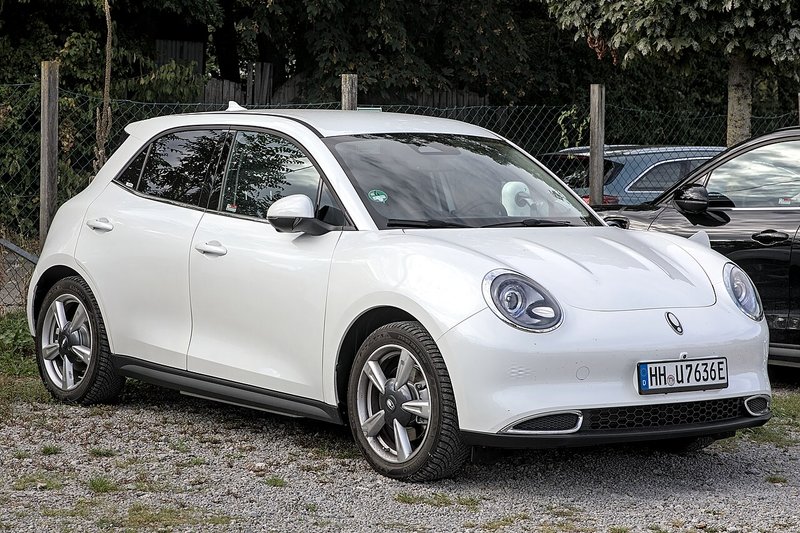
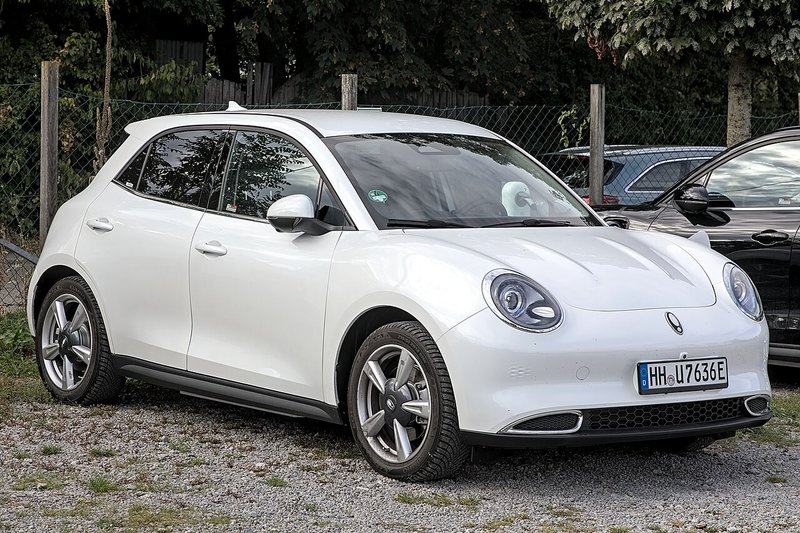
The GWM Ora GT is the second body style in GWM’s ORA electric vehicle lineup for Australia. Where the Ora Lux wears a rounded, retro-inspired silhouette that draws comparisons to the classic Mini, the Ora GT adopts a longer fastback roofline and more conventional GT hatchback proportions - think of it as ORA’s attempt at a sporty five-door rather than a cute city car.
Mechanically, the GT and Lux are identical. Both carry the same 57.7kWh LFP battery, the same 105kW front motor, the same 80kW DC charging cap, and the same 380km WLTP range. The GT’s slight range reduction versus the Lux (380km vs 400km) is likely attributable to aerodynamic differences between the two body shapes. The buying decision comes down entirely to which design suits the buyer.
The fastback roofline offers a marginal improvement in rear passenger headroom compared to the Lux’s curved roof, and the GT’s longer greenhouse creates a cabin that feels slightly more spacious. Both cars share the same boot volume and the same urban-focused use case. GWM’s established Australian dealer and service network applies equally to both variants.
Pricing & Variants
| Variant | Battery | WLTP Range | DC Charging | Price |
|---|---|---|---|---|
| GWM Ora Lux | 57.7kWh | 400km | 80kW | $35,990 |
| GWM Ora GT | 57.7kWh | 380km | 80kW | $38,990 |
The Ora GT costs $3,000 more than the Lux for a slightly sportier exterior and the fastback silhouette. There is no additional mechanical specification - no faster charging, no more range, no additional features. The premium is purely aesthetic.
Performance
The 105kW and 180Nm front motor delivers a 0–100 km/h time of approximately 7.5 seconds - marginally quicker than the Lux (8.0 seconds) despite the identical powertrain, likely reflecting a different weight distribution or tuning. Top speed is limited to 140 km/h. In urban conditions, the instant torque delivery from the electric motor provides a responsive, engaging driving character that is well matched to the car’s city-focused design intent.
Regenerative braking is adjustable, with paddle shifters on the steering wheel allowing the driver to select regeneration intensity. One-pedal driving is available at higher regeneration settings.
Range and Charging
The 57.7kWh LFP battery delivers 380km of WLTP range. In real-world urban driving conditions, expect 300–340km; highway driving at 110 km/h will reduce this to approximately 270–300km. LFP chemistry offers durability advantages over NMC - it tolerates regular charging to 100% without accelerating degradation, which suits daily urban use.
DC fast charging at up to 80kW brings the battery from 10–80% in approximately 40–45 minutes at a CCS2-compatible charger. AC home charging via a 7.2kW wallbox takes approximately 9 hours from flat - plan for overnight charging as the standard approach. The 80kW DC cap is adequate for urban use but will slow road trip recharging compared to competitors offering 100kW or more.
Interior and Technology
The Ora GT’s interior mixes modern technology with GT-influenced trim details - contrast stitching, sporty seat bolstering, and design elements that reference the exterior’s more dynamic character. A 10.25-inch central touchscreen handles navigation, media, and vehicle settings. A separate 10.25-inch digital instrument cluster displays speed, range, and power flow.
Wireless Apple CarPlay and Android Auto are standard. The climate control system uses both physical controls and touchscreen input. GWM’s connected car features - remote monitoring, over-the-air updates - are supported via the Ora app.
Practicality
Five seats are standard. Front occupants have good space; the rear bench is most comfortable for two adults with the centre position better suited for shorter journeys. Boot capacity is compact - adequate for daily errands and grocery runs but not generous for holiday luggage. No frunk is available.
No towing capability and no V2L or V2H are fitted. The car is designed for urban and suburban personal transport, not utility applications.
Safety
The Ora GT is equipped with forward collision warning, autonomous emergency braking, lane departure warning, lane-keep assist, blind-spot monitoring, and rear cross-traffic alert. A 360-degree camera system assists with low-speed manoeuvring. The safety suite is appropriate for the class and urban use case. Refer to ANCAP Australia for the current crash test star rating.
Running Costs and Ownership
Running cost at $0.30/kWh: (57.7 ÷ 380) × 100 × $0.30 = approximately $4.56/100km. This is among the lowest running costs of any passenger car in Australia, reflecting the efficiency of the small LFP battery and relatively modest range.
GWM warranty: 5 years/150,000km on the vehicle, with battery coverage extending to 8 years/160,000km. The 5-year vehicle warranty is shorter than the 7-year cover offered by Kia and MG in the same segment - worth noting for buyers planning longer ownership periods.
Verdict
The Ora GT delivers an efficient, characterful urban EV at a price point that makes small-car running costs achievable for a wide range of buyers. The LFP battery tolerates daily charging to 100%, the 380km WLTP range is ample for city use, and the 80kW DC charging means a mid-day top-up at a public charger is quick enough to be practical.
The case against: 80kW DC is the weakest fast-charging in the compact segment, the $38,990 price is $3,000 above the Ora Lux for no additional capability, and the 5-year warranty is shorter than Korean competitors. Buyers drawn to the GT’s fastback shape who can live within urban driving patterns will find it delivers exactly what it promises.
Frequently Asked Questions
What is the difference between the GWM Ora GT and the Ora Lux?
The Ora GT and Ora Lux share the same 57.7kWh battery, 105kW motor, and 80kW DC charging. The GT uses a fastback GT-style body with a longer roofline; the Lux uses a rounder, retro-influenced hatchback body. The GT costs $3,000 more and has slightly less WLTP range (380km vs 400km). The choice is purely aesthetic.
How fast does the GWM Ora GT charge?
The Ora GT supports up to 80kW DC fast charging, which brings the battery from 10–80% in approximately 40–45 minutes. AC home charging via a 7.2kW wallbox takes around 9 hours from flat. The 80kW DC cap is slower than many competitors offering 100kW or more.
Is the GWM Ora GT a good choice for highway driving?
The Ora GT is optimised for urban and suburban use. The 380km WLTP range translates to approximately 270–300km on the highway at 110 km/h. With 80kW DC charging, a Sydney-Melbourne drive would require multiple charging stops of reasonable duration. For frequent highway touring, consider the Kia EV3 or BYD Atto 3, which offer longer range or faster charging.