 Gridly
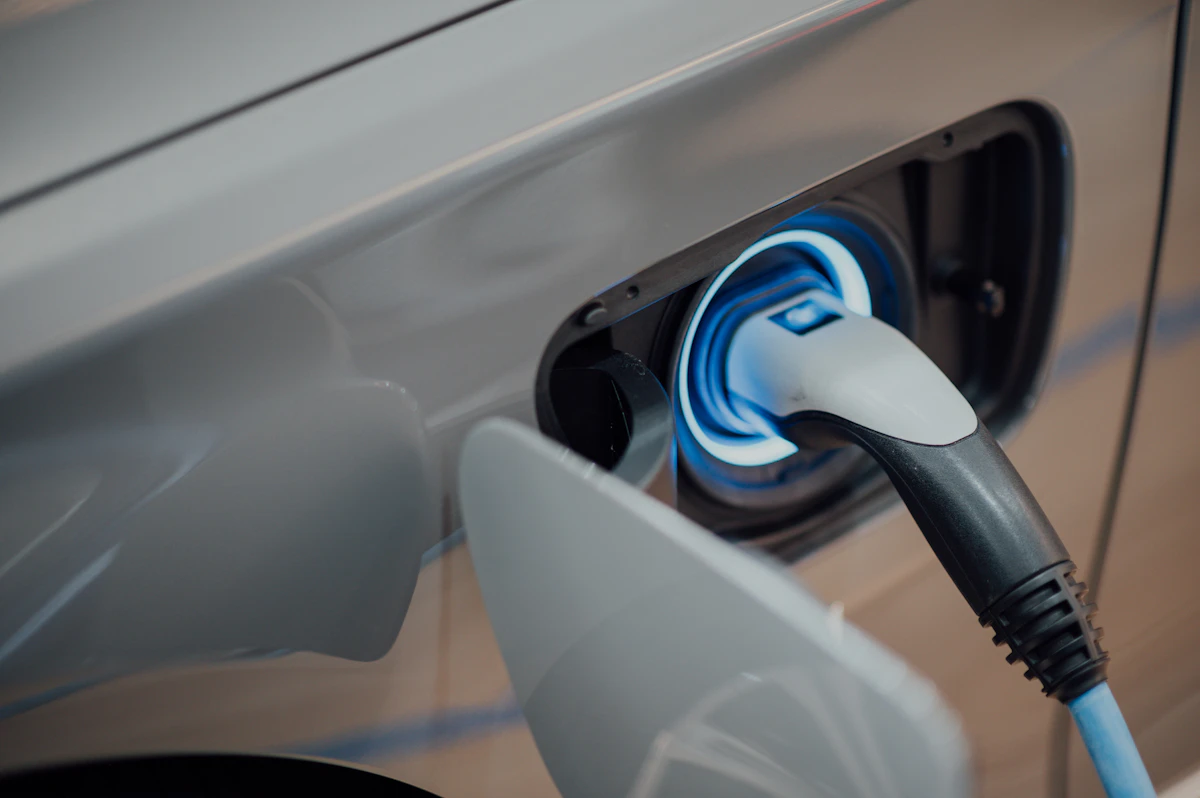
Best EV Charger for BYD in Australia 2026
BYD is now the second-biggest EV brand in Australia. The Atto 3, Dolphin, Seal, and Sealion 7 are everywhere, and for good reason. But unlike Tesla, BYD does not sell a branded home wall charger in Australia. Some dealers include a portable granny charger in the boot, and that is about it.
The good news: you have better options than a branded charger anyway. Every BYD EV sold here uses a standard Type 2 connector for AC charging, which means any Type 2 home charger will work. The real question is which one matches your BYD model, your power supply, and whether you have solar.
BYD Charging Speeds: What Your Car Actually Supports
Before picking a charger, you need to know what your BYD can accept. The onboard charger inside the car sets the ceiling. Buying a charger rated higher than your car’s onboard limit wastes money, because the car will never draw more than its maximum.
| Model | Battery | Max AC (Single-Phase) | Max AC (Three-Phase) |
|---|---|---|---|
| BYD Dolphin | 60.4 kWh | 7 kW | 7 kW (capped) |
| BYD Atto 3 | 60.5 kWh | 7 kW | 7 kW (capped) |
| BYD Seal | 82.5 kWh | 7.4 kW | 11 kW |
| BYD Sealion 7 | 91.3 kWh | 7.4 kW | 11 kW |
The key takeaway: if you own a Dolphin or Atto 3, a 7 kW charger is all you need. Your car physically cannot charge faster than 7 kW on AC, regardless of whether you have single-phase or three-phase power. Spending more on a 22 kW charger gives you zero speed benefit.
Seal and Sealion 7 owners on three-phase power can benefit from an 11 kW or 22 kW charger, since those cars support up to 11 kW AC. On single-phase, even the Seal and Sealion 7 are limited to 7.4 kW.
In practical terms, 7 kW adds roughly 40 km of range per hour. 11 kW adds roughly 60 km per hour. For overnight charging, both are more than enough. The difference matters most if you are topping up during the day between trips.
Best EV Chargers for BYD in Australia
1. Evnex E2 Plus: Best All-Rounder
$1,299 | 7.4 kW single-phase / 22 kW three-phase | OCPP 1.6J | 4-year warranty
The Evnex E2 Plus is the best overall home charger for BYD owners. It covers every base: solar diversion via CT clamp, OCPP compliance for demand-response regulations, load management to prevent tripping your main breaker, and a four-year warranty that leads the category.
Solar diversion works with any inverter brand. When your panels are generating surplus, the E2 Plus diverts that energy to your BYD instead of exporting it to the grid. It is not as flexible as the Zappi’s three-mode system, but it handles the core job well at a lower price.
At 7.4 kW single-phase, it matches the onboard charger limit of every BYD model. Three-phase homes get up to 22 kW, which future-proofs you if you upgrade to a Seal or Sealion 7 later. NZ-designed with strong Australian distribution and installer support.
Best for: BYD owners who want solar diversion, smart features, and the longest warranty in one package.
2. Myenergi Zappi v2.1: Best for Solar Homes
~$1,649-$1,899 installed | 7 kW single-phase / 22 kW three-phase | OCPP 1.6J | 3-year warranty
If you have rooftop solar and want to maximise self-consumption, the Zappi is the strongest option. Three charging modes give you genuine control. Fast mode charges from the grid at full speed. Eco mode blends solar surplus with grid top-up. Eco+ mode charges purely from solar surplus and waits until you are generating enough before drawing a single watt.
This matters in BYD’s strongest markets. Brisbane, Perth, and Adelaide are solar-heavy cities, and a large proportion of BYD buyers in those areas already have panels on the roof. Charging a Dolphin or Atto 3 from surplus solar at 7 kW is realistic for a 6.6 kW system during peak generation hours, especially in Queensland and South Australia.
The Zappi works with any inverter brand. No compatibility guesswork. The trade-off is price. At $1,649 to $1,899 installed, it costs meaningfully more than the alternatives. You are paying for the best solar diversion system on the market.
Best for: BYD owners with rooftop solar who want maximum solar self-consumption.
3. Sungrow AC22E: Best Budget Smart Charger
~$999 | 7.4 kW single-phase / 22 kW three-phase | OCPP 1.6J | 5-year warranty
The Sungrow AC22E offers the longest warranty here (five years) at the lowest price. It supports OCPP and pairs natively with Sungrow inverters and batteries through the iSolarCloud app. If your home already runs a Sungrow solar system, this charger slots in seamlessly and gives you unified monitoring of panels, battery, and EV charging in one place.
Solar integration through the Sungrow ecosystem is solid but locked to Sungrow hardware. If you have a Fronius or Enphase system, you lose the solar coordination features. For Sungrow homes, though, this is the most cost-effective smart charger available.
At 7.4 kW single-phase, it matches all BYD models. Three-phase output up to 22 kW covers Seal and Sealion 7 owners who want faster charging.
Best for: BYD owners with existing Sungrow solar and battery systems.
4. Evnex E2 Core: Best Value Without Solar
$999 | 7.4 kW single-phase | OCPP 1.6J | 4-year warranty
The E2 Core is the stripped-back sibling of the E2 Plus. It drops solar diversion but keeps everything else: OCPP compliance, load management, app control, and the four-year warranty. For BYD Dolphin and Atto 3 owners without solar, this is all the charger you need.
At $999, it matches the Sungrow AC22E on price. The difference comes down to ecosystem. If you have Sungrow solar, the AC22E integrates better. If you do not have solar or run a different inverter brand, the E2 Core is the cleaner choice with no ecosystem lock-in.
Load management is a genuine benefit for older Australian homes where the switchboard is already near capacity. The E2 Core adjusts charging speed dynamically to stay within your supply limit, avoiding costly switchboard upgrades.
Best for: BYD Dolphin and Atto 3 owners on single-phase without solar panels.
5. GoodWe EV Charger: Budget Option for GoodWe Homes
~$899 | 7.4 kW single-phase / 22 kW three-phase | OCPP 1.6J
The GoodWe charger comes in at the lowest price on this list. Like the Sungrow AC22E, it works best within its own ecosystem. If your home has a GoodWe inverter, the charger integrates through the SEMS Portal for coordinated solar and EV charging.
OCPP compliance is included. Build quality is acceptable for the price, though the app experience is not as polished as Evnex or Zappi. Warranty details vary by installer, so confirm terms before purchasing.
For BYD owners who already have GoodWe solar and want the most affordable OCPP-compliant charger, this ticks the boxes.
Best for: Budget-conscious BYD owners with existing GoodWe solar systems.
Quick Comparison Table
| Charger | Price | Max Output | Solar Diversion | OCPP | Warranty |
|---|---|---|---|---|---|
| Evnex E2 Plus | $1,299 | 7.4 kW / 22 kW | Yes (any inverter) | Yes | 4 years |
| Myenergi Zappi v2.1 | ~$1,649-$1,899 | 7 kW / 22 kW | Yes (best-in-class) | Yes | 3 years |
| Sungrow AC22E | ~$999 | 7.4 kW / 22 kW | Sungrow only | Yes | 5 years |
| Evnex E2 Core | $999 | 7.4 kW | No | Yes | 4 years |
| GoodWe EV Charger | ~$899 | 7.4 kW / 22 kW | GoodWe only | Yes | Varies |
OCPP Compliance and Australian Regulations
Since 2025, new demand-response regulations in NSW, VIC, QLD, and SA require EV chargers above certain thresholds to have demand-response capability and notify your electricity distributor. OCPP (Open Charge Point Protocol) satisfies this requirement.
Every charger on this list supports OCPP 1.6J, so compliance is covered regardless of which one you choose. This is one reason we excluded chargers without OCPP from our recommendations. The regulatory landscape is only going to tighten, and buying a charger without OCPP in 2026 creates an avoidable headache down the line.
Solar Charging with a BYD
Around 80% of Australian EV owners who charge at home also have rooftop solar. BYD’s popularity is highest in solar-heavy suburbs across Brisbane, Perth, Adelaide, and regional Queensland. If that describes your situation, a charger with solar diversion is worth the investment.
Solar diversion means the charger detects when your panels are producing more than your house is using and sends that surplus to your car instead of exporting it to the grid. With feed-in tariffs sitting between 3c and 7c/kWh in most states, charging your BYD from surplus solar is worth far more than exporting.
The Zappi and Evnex E2 Plus both offer solar diversion that works with any inverter brand. The Sungrow AC22E and GoodWe charger offer solar integration but only within their own ecosystems.
For a BYD Dolphin or Atto 3 (7 kW max), a typical 6.6 kW solar system can supply most or all of the charging power during peak sun hours. Seal and Sealion 7 owners on three-phase may want a larger solar system to fully cover 11 kW charging from surplus.
Do You Need Three-Phase for Your BYD?
Only if you own a Seal or Sealion 7 and want faster home charging. The Dolphin and Atto 3 cap at 7 kW regardless of your power supply, so three-phase offers zero benefit for those models.
For the Seal and Sealion 7, three-phase power unlocks 11 kW charging instead of 7.4 kW. In practical terms, 7 kW adds roughly 40 km of range per hour of charging. 11 kW adds roughly 60 km per hour. Both will fully charge the car overnight. The difference matters if you need to top up during the day between trips.
If you do not already have three-phase power, the cost to upgrade is typically $2,000 to $5,000 depending on your property and distributor. For most Dolphin and Atto 3 owners, it is not worth it purely for EV charging.
Our Recommendation
For most BYD owners in Australia, the right charger depends on two things: your car model and whether you have solar.
Dolphin or Atto 3 without solar: The Evnex E2 Core at $999 is the sweet spot. 7.4 kW output, OCPP compliance, load management, four-year warranty. Nothing more to pay for, nothing missing.
Any BYD with solar (any inverter brand): The Evnex E2 Plus at $1,299 gives you solar diversion, OCPP, and the four-year warranty. If you want the absolute best solar diversion and do not mind paying more, the Zappi v2.1 is the upgrade.
BYD with Sungrow solar: The Sungrow AC22E at $999 is the best value. Five-year warranty, native integration with your existing Sungrow system, and OCPP compliance.
Seal or Sealion 7 on three-phase: Any of the chargers above rated for 22 kW three-phase (Evnex E2 Plus, Zappi, Sungrow AC22E, GoodWe) will unlock 11 kW charging.
Ready to get your BYD charger installed? Check charger installation costs and get quotes from licensed installers in your area.
Frequently Asked Questions
- What type of charger does a BYD use in Australia?
- All BYD electric vehicles sold in Australia (Atto 3, Dolphin, Seal, Sealion 7) use the Type 2 connector for AC charging. Any Type 2 home EV charger will work. BYD does not make its own wall charger for the Australian market, so a third-party charger is your only option for home charging.
- How fast can I charge a BYD at home?
- On single-phase power, BYD EVs charge at up to 7 kW (Dolphin, Atto 3) or 7.4 kW (Seal, Sealion 7). On three-phase power, the Seal and Sealion 7 support up to 11 kW. The Atto 3 and Dolphin are capped at 7 kW regardless of supply. A 7 kW charger will fully charge a BYD Atto 3 (60.5 kWh) in roughly 8.5 hours overnight.
- Does BYD sell a home charger in Australia?
- No. BYD does not offer a branded home wall charger in Australia. Some BYD dealers bundle a portable charging cable with the car, but for proper home charging you need a third-party wall charger such as the Evnex E2, Myenergi Zappi, or Sungrow AC22E.
Enjoyed this article?
Get updates like this straight to your inbox - new models, price drops, and rebate changes.
Written by
Marcus WebbSenior Energy Analyst
Marcus spent eight years as a solar and battery installer across Victoria and NSW before switching to full-time product testing and journalism. He has evaluated over 40 inverter and battery combinations in real Australian installs and writes to give households the numbers they need to make confident decisions - without the sales pitch.